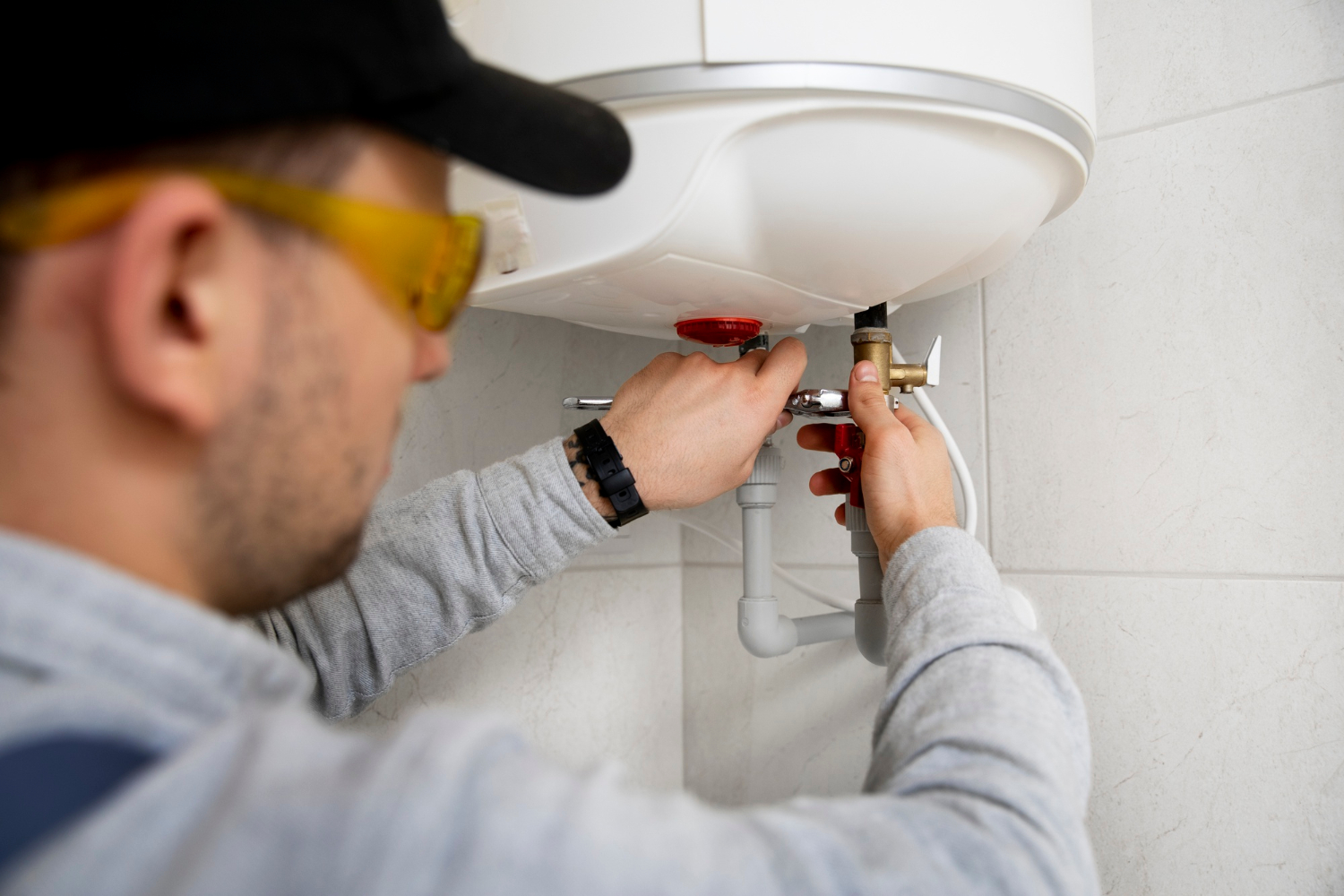
A popping or rumbling water heater usually points to sediment or mineral buildup sitting inside the tank. As the water heats, trapped water underneath that buildup can turn to steam and push its way through, which is where those odd noises come from. It doesn’t automatically mean the unit is about to fail, but it’s not something to ignore either. Left alone, heavy sediment can cut into efficiency, hurt heating performance, and put extra strain on the tank over time.
The age of the unit matters here too. So, how long does a water heater last? Most traditional tank models run around 10 years, though maintenance, water quality, usage, and installation all shift that number in one direction or another.
How long does a water heater last?
It really varies from home to home. How heavily the unit gets used, the quality of the water running through it, and how well it’s been maintained all play a part. As a unit ages, frequent repairs, weaker hot water, leaks, or strange noises can all be signs that replacement is worth thinking about.
If your unit is making unusual sounds and it’s already on the older side, that noise might be less about a quick fix and more about whether it’s time to start planning a replacement.
Why does a water heater make popping or rumbling sounds?
Usually sediment collecting at the bottom of the tank. That sediment traps water underneath it, and when that trapped water heats up, it can form steam bubbles that push through the buildup on their way out.
The result can sound like popping, cracking, rumbling, even the occasional bang. Homes with hard water tend to see more of this, since dissolved minerals settle inside the tank faster over time.
The sound alone won’t tell you how serious it is. But unusual noises are one of the signs Graybill recommends having checked, just to be safe.
Is sediment buildup bad for a water heater?
Yes. It makes the unit work harder and can chip away at heating efficiency. A thick layer of sediment also eats up space inside the tank which gets in the way of normal heat transfer.
Left unchecked, the heater may take longer to heat water or start struggling to keep up with household demand. In some cases, it can even contribute to premature wear on the tank itself.
The question of how long a water heater lasts becomes more important when sediment and other issues are left unchecked. There’s no fixed number, but poor maintenance tends to shorten the useful life of the system either way.
Can a noisy water heater mean it needs to be replaced?
Not always, especially if the unit is fairly new. It really depends on age, condition and whether other problems are showing up alongside the noise.
| Sign | What it may mean |
| Leaking tank | The tank may be damaged and need replacing |
| Rusty or murky water | Corrosion or buildup may be affecting the system |
| Not enough hot water | The heater may be struggling to heat properly |
| Inconsistent temperatures | A component may not be working correctly |
| Frequent repairs | Replacement may be more practical than continued fixes |
| Older water heater | An aging unit may be nearing the end of its life |
One noise on its own usually isn’t a reason to replace the unit. Several warning signs stacking up together is a different story. A professional inspection can settle whether repairing the current unit or installing a new one makes more sense.
How can you tell if a water heater is nearing the end of its life?
Age, declining performance, changes in water quality, leaks and unusual sounds all factor in. A standard tank unit approaching 10 years old is often getting close to replacement territory.
How long a water heater lasts depends on more than its age. A well-maintained system can perform very differently from one that’s dealt with heavy use, mineral buildup, or repeated problems along the way.
Our technicians can look at the actual condition of the unit and help figure out whether repair or planning ahead for replacement makes more sense for your situation.
What other signs mean a water heater needs attention?
Noise is only one piece of it. Watch for changes in hot water supply, leaks, rusty water, and temperatures that swing around unexpectedly. A few common ones:
- Water pooling around the base of the heater
- Rust-colored or murky hot water
- Hot water running out faster than it used to
- Temperatures that change without warning
- Unusual noises or smells
- A noticeable drop in heating performance
These issues can have different root causes, so trying to diagnose the exact problem from a single symptom can lead you in the wrong direction. We recommend a professional evaluation once any of these show up.
When should you call a plumber about a noisy water heater?
When the noise is persistent, getting louder, or showing up alongside other issues like leaks, rusty water, poor heating, or inconsistent temperatures. Those combinations usually point to something beyond routine maintenance.
At Graybill Service Group, we can inspect your water heater, identify the likely cause of the noise and walk you through whether repair or replacement makes more sense. We handle water heater repair, installation, and replacement across gas, electric, propane, tankless, and heat pump systems.
What does water heater noise tell you about its condition?
There’s no reliable way to predict remaining lifespan from noise alone. A unit with the occasional pop might keep running fine for years, while an older unit with loud, frequent noise and other warning signs could be closer to failure.
The question of how long a water heater lasts shouldn’t be based on the sound alone. A professional inspection is really what tells you whether the unit’s worth repairing or whether it’s time to start planning a replacement.
Can regular maintenance help a water heater last longer?
Yes. It helps catch buildup, leaks, corrosion, and performance issues before they turn into bigger problems, and it gives homeowners a clearer picture of where an aging system actually stands.
No maintenance schedule guarantees an exact lifespan, but keeping the system in good shape protects its performance over time. A water heater’s lifespan often depends on water quality, usage, installation, and how consistently it’s been maintained.
At Graybill Service Group, our team helps homeowners evaluate their water heaters, and choose practical repair or replacement options based on the system’s actual condition and the household’s hot water needs.
Frequently asked questions
Is a rumbling water heater dangerous?
Not always. Sediment buildup is the most common cause, but persistent noise, leaks, odors, or weak performance should be checked by a professional.
Can a noisy water heater explode?
Noise on its own doesn’t mean an explosion is likely. Still, persistent sounds or other warning signs are worth a professional look.
How long does a water heater last?
A standard tank unit typically lasts around 10 years. Maintenance, water quality, usage and installation can all shift that number.
Should I replace a water heater that is making noise?
Not necessarily. Weigh the unit’s age, condition, performance, and repair history before deciding between repair and replacement.
Why is my water heater suddenly louder?
Usually sediment buildup or another internal issue develops. New or worsening noise is worth checking, especially alongside other performance changes.
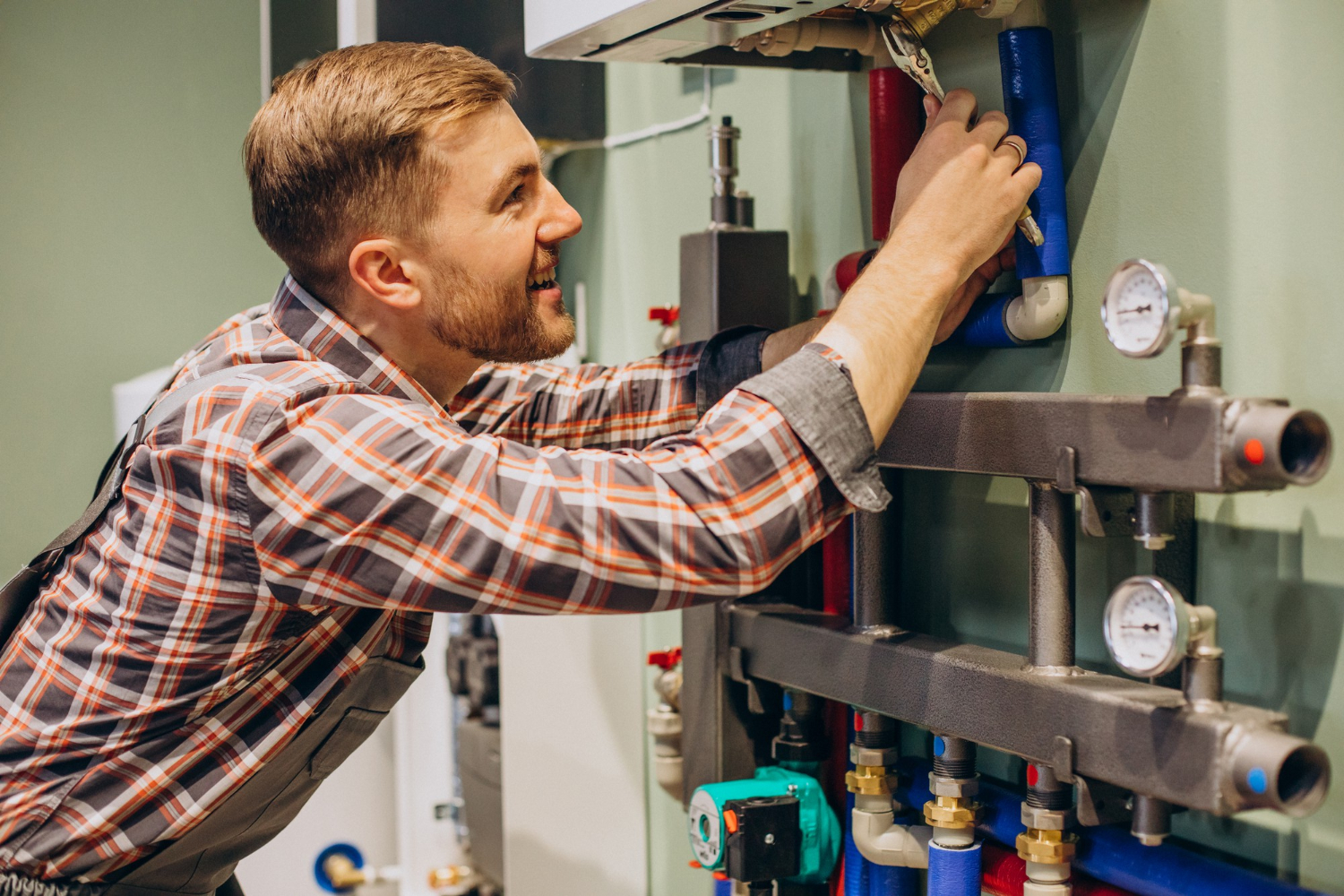
Boiler maintenance and repair costs in Pennsylvania depend on a handful of variables: the type of boiler, its age, the condition of the system, the work involved, and whether parts need replacing. Routine maintenance tends to be the more predictable, less expensive path, mostly because a technician can catch small issues before they turn into major ones.
Labour rates, how accessible the system is, and how complex the repair turns out to be all shift the final number too. So how much does boiler service cost? There’s no single figure that applies across every home and every system.
A basic service visit usually covers inspection, cleaning, testing, and minor adjustments. Repairs cost more once faulty components need replacing. Getting a clear estimate after an inspection is really the only way to know what you’re actually paying for.
How much does boiler service cost in Pennsylvania?
In Pennsylvania, homeowners can generally expect to pay about $150 to $300 for routine boiler maintenance, although more extensive cleaning or service can push the cost closer to $400.
If the boiler needs repair, costs commonly fall between $150 to $750, while repairs involving major components such as a circulator pump, expansion tank, gas valve, or coil can reach $1000 or more. For the most accurate estimate for your specific system, contact Graybill Service Group at https://jggraybill.com/contact-us/ to have your boiler evaluated and get pricing based on the work it actually needs.
What factors affect boiler service cost?
Mostly the type of service, the boiler’s condition, and whatever parts or labour the job needs. A straightforward inspection and cleaning takes a lot less work than fixing a faulty circulator pump, a pressure problem, an ignition issue, or a damaged component.
Where the boiler sits in the house matters too, tight access adds labour time. Older systems often need more troubleshooting, since worn or outdated parts tend to make repairs more involved. A technician really does need to inspect the system in person before giving an accurate figure; that’s the only reliable way to determine the cost of boiler service and repair with any confidence.
How much does boiler maintenance usually cost?
Routine maintenance is generally more predictable than repair work, since a technician is running through scheduled preventive tasks rather than reacting to a failure that’s already happened. That usually means inspecting components, cleaning parts, checking controls, examining connections and testing overall operation.
Regular service also tends to catch developing problems early. The price depends on the service package and the boiler type, so it’s worth asking for a clear breakdown of exactly what an appointment covers before booking it.
Is boiler maintenance worth paying for?
Generally, yes. It keeps the system running safely and efficiently, and it reduces the risk of an unexpected failure. A technician might spot worn components, a small leak, or a pressure issue well before it turns into something disruptive.
Skipping service can save money short-term, but a neglected boiler tends to develop bigger problems over time, the kind that need more extensive repairs. When considering the cost of boiler service it’s also worth thinking about the potential expense of an avoidable breakdown if regular servicing is skipped.
Does an older boiler cost more to maintain?
Often, yes. Components wear out, and replacement parts can get harder to track down as a system ages. Older boilers also tend to need more frequent attention as individual parts near the end of their service life.
That doesn’t automatically mean an old boiler needs replacing, though. A technician can look at its condition, repair history, efficiency, and reliability before recommending whether continued maintenance still makes sense financially.
When should you schedule professional boiler service?
Ideally, before the heating season starts. It’s also worth booking an inspection any time your boiler starts behaving differently than usual.
| When to schedule | Why it matters |
| Before heating season | Gets the boiler ready for colder weather |
| Uneven heating | Can point to a developing problem |
| Unusual noises | May mean a component is wearing out |
| Pressure changes | Often signals a system issue |
| Water leaks | Can lead to further damage if ignored |
| Frequent cycling | May indicate a control problem |
| Poor temperature control | Could mean the boiler needs attention |
Catching these early tends to keep small problems small. If your boiler is showing any of these signs, getting it checked, helps keep the house comfortable and the system reliable.
What should a professional boiler service include?
An inspection of the whole system, cleaning or adjustments where needed, checks on safety controls and testing to confirm everything’s operating properly. The exact list of tasks shifts depending on the boiler and its condition.
A good technician also explains anything they find during the visit and flags repairs that might be needed soon. It’s a lot easier to judge how much boiler service costs once you know exactly which inspections and tasks are included in the quoted price.
How can Pennsylvania homeowners keep repair costs under control?
Routine maintenance, responding to warning signs quickly, and following the manufacturer’s recommendations all help avoid unnecessary repair bills. Waiting until a system fails completely tends to leave you with an urgent repair and fewer options.
At Graybill Service Group, our focus is catching problems early and explaining the work before anything begins. Our goal is helping homeowners actually understand their heating system, not just hand them an invoice.
What happens if you skip boiler maintenance?
Small problems tend to develop unnoticed, which can mean reduced efficiency, an unexpected breakdown or a more expensive repair later on. Dirt, worn parts, and pressure problems all get worse the longer they sit.
Routine service gives a professional a chance to catch these issues before they interfere with heating. The cost of boiler servicing is only one part of the decision; the potential cost of neglecting the system matters just as much.
Frequently asked questions
What factors affect the cost of a boiler service?
Generally less than a major repair. The final price depends on the boiler type, the service required, labour, and any parts needed. Contact us at (717) 892-5760 to have your boiler evaluated.
Does boiler service cost more for gas or oil boilers?
It can. Gas and oil systems have different components and maintenance needs, which affects both service time and price. A technician can give you an accurate number after inspecting the system.
How often should I schedule boiler service?
Once a year is the common recommendation, ideally before the heating season. Regular checks catch leaks, worn parts, and pressure issues early.
Can regular maintenance reduce boiler repair costs?
Yes. It catches smaller problems before they turn into major repairs, and it helps the boiler run more reliably overall.
Should I repair or replace an old boiler?
Repair often makes sense for a minor issue; replacement tends to make more sense if repairs keep piling up or major components are failing. A professional inspection is the best way to tell which situation you’re in.
Why is my boiler losing pressure?
Usually a leak, a valve problem, or an issue with the expansion vessel. If pressure keeps dropping, have a qualified technician track down the actual cause.
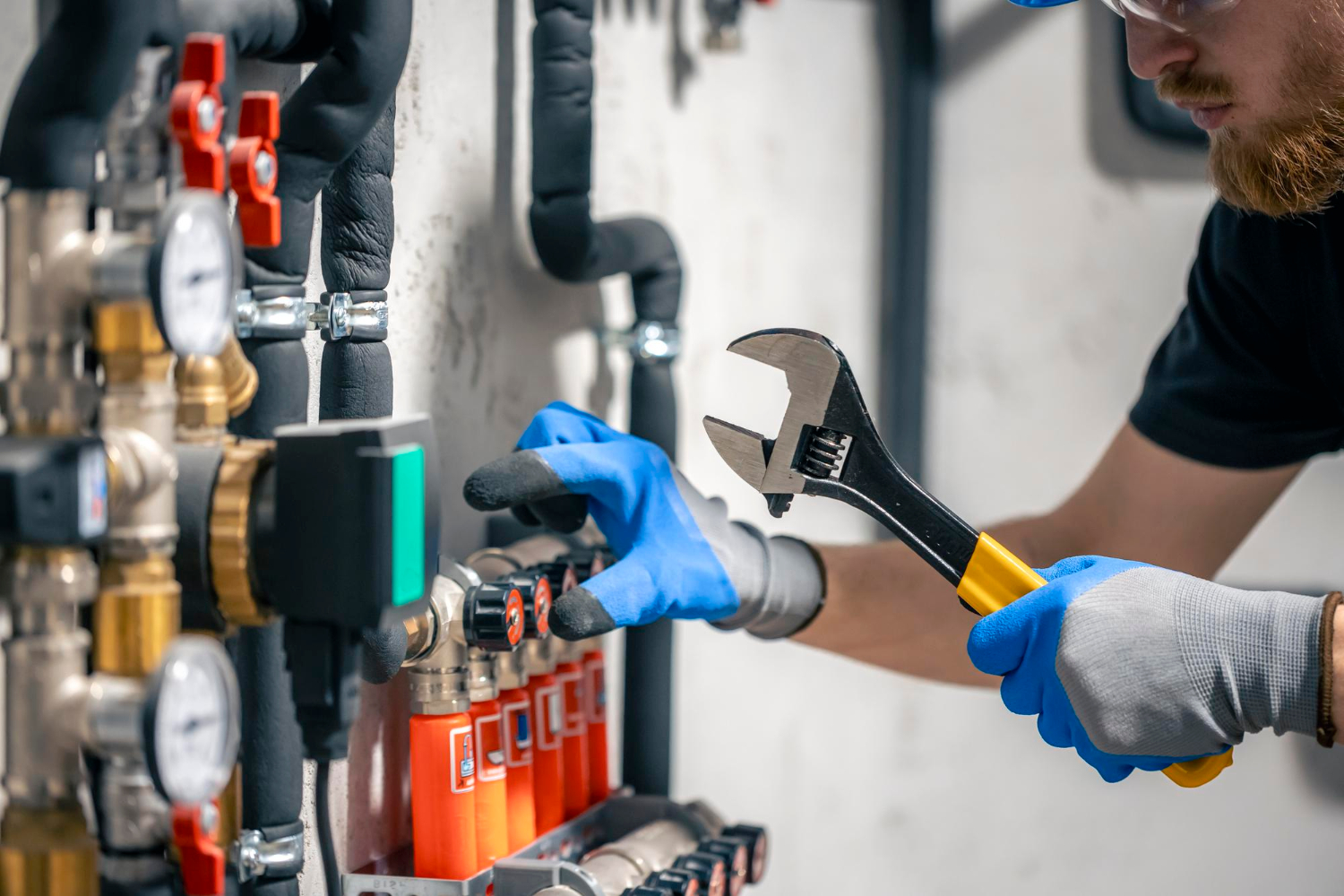
Radiant heating warms a home from the surfaces themselves rather than blowing warm air through vents. In a typical hydronic system, heated water moves through tubing beneath the floor, warming the surface above it, and that heat spreads gradually through the room. The result is steady, even comfort, fewer drafts, fewer cold spots, which matters a lot during a Lancaster County winter. It can be installed as the main heating system or used to warm just a few key rooms.
So how does radiant heating work, in the simplest terms? Heat moves from the warmed floor or surface directly into the room, instead of getting pushed through ductwork.
Why does radiant heating feel so comfortable?
Because it delivers steady warmth across the whole room instead of short bursts of hot air from a vent. The floor itself becomes the heat source, which tends to make the entire space feel more evenly heated.
That difference shows up most on cold mornings, when tile or other hard flooring would normally feel like ice underfoot. Instead of waiting for warm air to circulate, a radiant system slowly warms the surfaces around you. When people ask how radiant heating provides warmth from a comfort angle rather than a technical one, this gradual heat transfer is really the whole answer.
It’s quieter, too, with no furnace fan constantly pushing air through the house.
What happens beneath the floor in a radiant heating system?
A network of tubing or heating elements sits beneath the floor. In a hydronic system, a boiler heats water and circulates it through that tubing.
As the warm water passes through, the floor absorbs the heat and releases it upward. There’s no reliance on a strong stream of warm air moving room to room, it’s a much quieter, more passive process.
The exact setup depends on the home’s construction and flooring. New construction and major renovations tend to be the easiest opportunities for a hydronic system, since the floor structure can be built around the tubing from the start.
What are the main benefits of radiant heating?
Consistent warmth, comfortable floors, quiet operation, and less reliance on moving heated air around. It also gives homeowners more flexibility when designing or renovating a heating system. A few things people tend to notice:
- Even temperatures, since heat spreads across the floor instead of coming from a handful of vents
- Warm floors, tile, stone, and other compatible surfaces stay pleasantly warm
- Quiet operation, with no blower cycling on and off
- Less airflow overall, which some homeowners simply prefer
- Flexible design, since hydronic systems can pair with different heat sources and layouts
At Graybill Service Group, we help homeowners figure out whether radiant heating actually fits their particular home, rather than assuming one system is right for everyone.
Is radiant heating a good choice for Lancaster County homes?
It can be, especially for homeowners who want consistent warmth and are already planning new construction or a major renovation. It’s particularly appealing in rooms with tile or stone flooring, where warm floors make a noticeable difference.
Lancaster County winters can drag on, so reliable heating matters. A properly designed radiant system delivers steady heat throughout the living space during that stretch.
That said, radiant heating isn’t automatically the right call for every home. Existing floor construction, installation costs, insulation, flooring materials, and the current heating system all factor into the decision.
Can radiant heating work with different flooring materials?
Yes, though some materials conduct heat better than others. Tile and stone are especially well suited, they transfer heat efficiently and hold onto it longer.
Certain engineered wood, laminate, or other compatible flooring can also work. Carpet and some solid wood products need more careful thought before installation.
Before moving forward, confirm the flooring is actually approved for the specific radiant system being installed. The material affects how efficiently heat makes it from the system into the room.
Can radiant heating be the main heating system?
Yes. A properly designed hydronic system can be sized to meet a whole home’s heating needs rather than staying limited to a few rooms.
A whole-home radiant heating system depends on proper design to deliver consistent comfort. The system needs enough capacity to keep the home comfortable even during the coldest stretches of winter. Radiant heat flooring can be used as a standalone heating system or incorporated into other heating elements, depending on the home’s design and heating needs.
In other homes, radiant heating shows up in just a few rooms, a bathroom or kitchen, say, where warm flooring adds a nice bit of extra comfort.
Is radiant heating energy efficient?
It can be, since it delivers heat directly through warmed surfaces and keeps temperatures even across a room. But actual energy use depends on the home’s insulation, system design, heat source, thermostat settings, and a few other variables.
A radiant system won’t automatically cost less to run than every other option out there. The condition of the home matters just as much as the equipment itself.
Understanding how radiant heating works helps explain why design matters so much. Heat has to move efficiently from the source, through the floor, and into the living space. Good insulation and correct system sizing keep that energy from going to waste.
Is radiant heating difficult to install in an existing home?
It can be more involved than installing it during new construction or a major renovation. The difficulty depends on floor structure, access above or below the flooring, the system chosen, and what’s already installed.
Installing tubing beneath a finished floor, for instance, takes more work than installing it before the flooring goes down. Some systems are built specifically for renovation projects, but each one still needs a careful evaluation.
If you’re weighing radiant heating for an existing home, a professional can tell you whether the floor structure and available space will actually support it.
Does radiant heating require much maintenance?
The tubing itself needs very little routine maintenance. The equipment connected to it, boilers, pumps, controls, valves, still needs regular attention, though.
A maintenance visit can catch problems before they start affecting comfort. Uneven heating, odd noises, pressure changes, or anything unusual with the boiler shouldn’t be ignored.
At Graybill Service Group, our team helps homeowners understand what their system actually needs and steps in when something comes up.
Is radiant heating worth considering for your home?
If you want consistent warmth, comfortable floors, and a quieter alternative to forced-air heating, it’s worth a look, especially if you’re building new or already planning a major renovation.
The right call depends on the property. Construction, flooring, insulation, existing heating equipment, budget, and long-term plans all play into it.
For anyone looking into how radiant heating operates, understanding the basic process is really just the starting point. A professional evaluation is what tells you whether it’s practical for your specific home and how it fits into the bigger heating picture.
Frequently asked questions
How does radiant heating work?
It warms a floor, wall, or other surface, which then transfers heat into the room. Hydronic systems use heated water through tubing; electric systems use heating elements instead.
Is radiant heating good for cold Lancaster County winters?
Yes. A properly designed system provides steady warmth throughout the home while keeping floors comfortable during the coldest stretches.
What flooring works best with radiant heating?
Tile and stone work especially well because they transfer heat efficiently. Some engineered wood and laminate products can work too.
Can radiant heating be installed in an older home?
Yes, though installation tends to be more involved. Floor structure, existing flooring, and the type of system all affect what’s possible.
Is radiant heating expensive to operate?
Costs depend on the home’s size, insulation, energy source, and system design. A well-designed system can run efficiently.
Does radiant heating need regular maintenance?
The tubing needs very little. Boilers, pumps, controls, and other components should still be inspected on a regular schedule.
Sewer line problems rarely announce themselves with a dramatic backup. Usually it starts small, a slow drain, a faint smell that shouldn’t be there, a wet patch in the yard, a clog that keeps coming back no matter how many times you clear it. Catching those early signs can save you from sewage damage, costly excavation, and a lot of disruption to daily life. Knowing when a sewer line actually needs professional attention also makes it easier to figure out whether a repair will do the job or whether replacement is the smarter long-term move.
If you’re wondering who offers sewer line repair, a licensed plumbing professional can inspect the line, pinpoint the cause, and recommend a fix based on what the pipe actually looks like underground.
What are the first signs of a sewer line problem?
Multiple slow drains, clogs that keep returning, sewage odors, gurgling sounds, or standing water somewhere on the property. One slow drain by itself might just be one slow drain. Several fixtures acting up at once usually points to something deeper.
Pay attention when the same symptoms keep showing up after a routine drain cleaning. A damaged, blocked, or collapsed sewer line can stop wastewater from leaving the house the way it’s supposed to. Catching it early beats catching it after a major backup.
How do you know if a sewer line needs professional repair?
Usually once an inspection turns up cracks, leaks, partial blockages, damaged joints, or sections that just aren’t draining right anymore. Repeated backups are another strong signal, at that point, it’s worth having the line evaluated instead of treating each clog as its own separate problem.
If you’re trying to figure out who offers sewer line repair in your area, look for a licensed plumbing company with the equipment and experience to actually diagnose underground issues, not just clear a clog and move on. Professional sewer line repair might mean clearing a damaged section, fixing one specific portion, or using trenchless methods where they make sense.
Can tree roots damage a sewer line?
Yes, and the damage tends to get worse the longer it goes unaddressed. A few things to watch for:
- Small cracks, since roots can work their way in through tiny gaps or loose joints
- Restricted flow, as growing roots block wastewater from moving through freely
- Recurring backups, which root intrusion often causes through repeated clogs and slow drains
- Older pipes, which tend to be more vulnerable to root penetration in the first place
Cutting the roots back can offer temporary relief, but the pipe itself may still need repair. A proper inspection is the only way to know whether it needs more than a quick fix.
When is replacement better than repair?
Usually when the pipe has widespread damage, has failed repeatedly, has deteriorated badly, or has a collapsed section that just can’t be patched reliably. Age and material of the existing pipe factor into that call too.
A small, isolated defect might only need a repair. But patching one section of a line that’s falling apart elsewhere often doesn’t solve the recurring problem, it just delays the next one. A qualified professional should be able to explain clearly whether repairing the existing pipe makes sense or whether replacement is the more dependable route.
Can sewer line problems cause yard damage?
Yes. A damaged line can leave unusually wet areas, foul smells, patches of oddly healthy grass or muddy ground in spots that shouldn’t be muddy. Wastewater leaking from an underground pipe changes soil moisture, which shows up in the vegetation nearby.
Not every wet or green patch means a sewer problem, irrigation, rainfall, and drainage can all cause something similar. But unusual yard changes paired with slow drains or sewage odors are worth having checked.
How can you prevent major sewer line damage?
Regular plumbing inspections, careful disposal habits and paying attention to recurring drainage issues before they get worse. Avoid flushing anything that won’t break down easily, and be careful about grease and similar materials going down household drains.
If there are trees near the underground sewer line, root growth is worth thinking about too. At Graybill Service Group, our team can spot warning signs during a professional inspection, and we can walk you through practical next steps based on what your plumbing system actually needs.
When should you call a professional about sewer problems?
When symptoms keep recurring, several drains are affected, sewage is backing up, or you’re noticing odors or wet areas you can’t otherwise explain. Waiting tends to let a fairly contained problem grow into a much bigger one.
At Graybill Service Group, we know sewer problems can disrupt an entire household fast. Our approach is finding the actual cause so we can recommend the right fix, rather than patching things temporarily and hoping it holds.
If you’re still asking who offers sewer line repair you can actually trust, starting with an experienced professional and a real inspection is the sensible first step. We work through diagnosis, a clear recommendation, and dependable service, not guesswork.
Frequently asked questions
How much does sewer line repair cost?
It varies based on location, type of damage, severity, and the length of the affected section. A professional inspection is really the only way to get a meaningful estimate, since underground problems can’t be priced accurately from symptoms alone.
Is sewer line repair better than replacement?
Repair often works for isolated damage. Replacement tends to make more sense when the line has extensive deterioration or keeps failing. A professional inspection is what tells you which situation you’re actually in.
Can a sewer line be repaired without digging?
Yes, in many cases. Trenchless repair or replacement techniques require less excavation than traditional methods, though whether they work depends on the pipe’s condition, location, and the type of damage.
How long does sewer line repair take?
Depends on the location and extent of the damage, plus the repair method used. A straightforward repair can take a lot less time than replacing a long or severely damaged section.
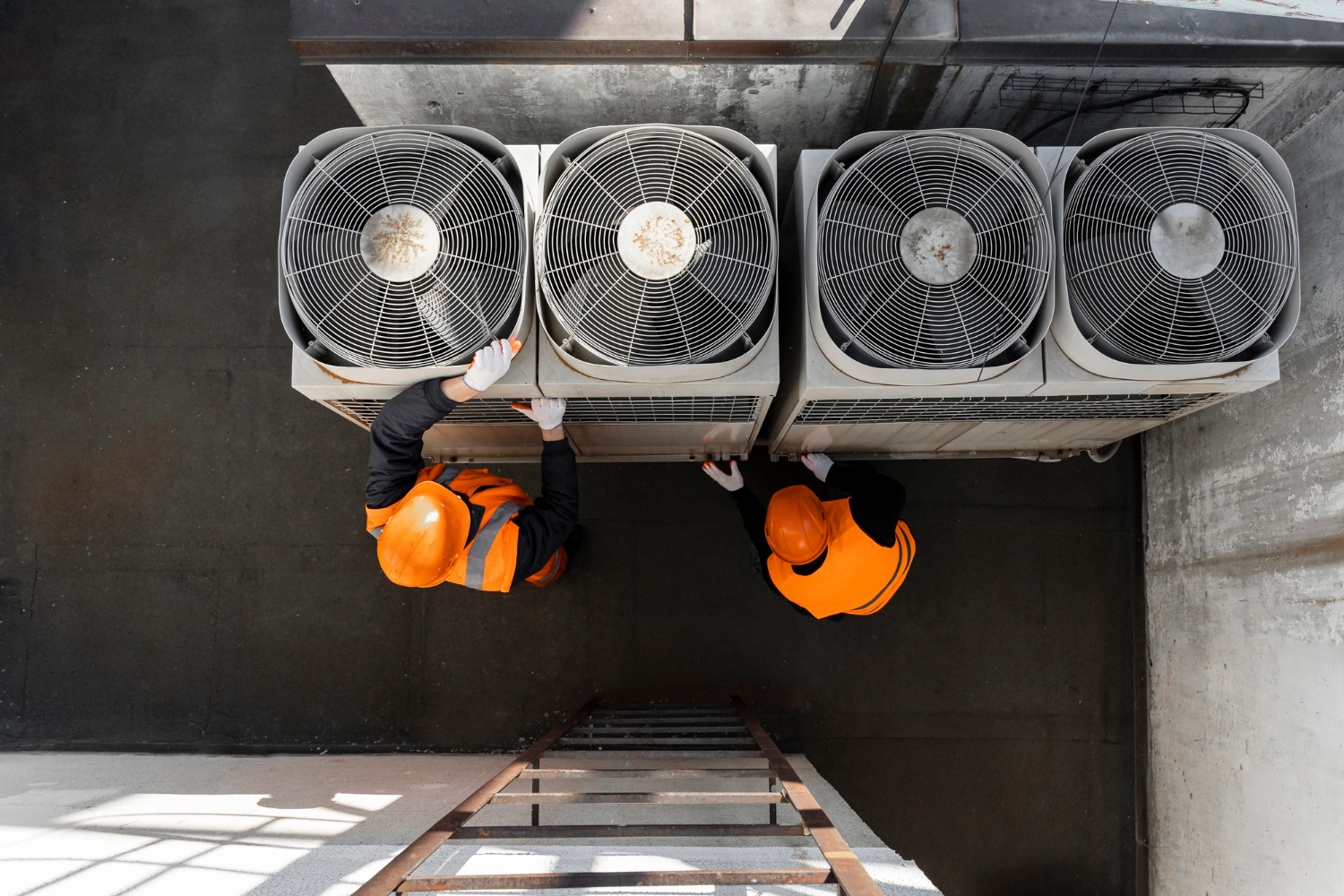
Poor indoor comfort can come from the HVAC equipment, the ductwork, or both at once. Uneven temperatures, weak airflow, strange noises, rising energy bills, rooms that never feel quite right, all of it can point in more than one direction. That’s the tricky part: the symptoms look nearly identical no matter which one is actually at fault. A furnace can be running exactly as it should while damaged, leaking, or poorly designed ducts keep conditioned air from ever reaching the rooms that need it.
So who fixes HVAC systems when the problem could be either one? Usually a qualified HVAC professional who checks the equipment and the airflow together, not just one or the other. Looking only at the furnace or air conditioner can miss a ductwork problem sitting right behind the wall.
What signs point to an HVAC system problem?
Poor heating or cooling across the whole house, unusual noises, frequent cycling, or a system that just can’t reach the thermostat setting no matter how long it runs. Rising energy use is another tell, it usually means the equipment isn’t running as efficiently as it should be.
If the entire house feels too warm in summer or too cold in winter, that points more toward the equipment itself. Electrical components, airflow restrictions, refrigerant issues, worn parts, any of these could be behind it.
If you’re not sure which professional fixes HVAC systems in a situation like this, start with an experienced technician who can properly diagnose the equipment instead of swapping parts based on guesswork.
What signs suggest the ductwork is the problem?
Ductwork tends to be the culprit when some rooms stay uncomfortable while others hit the expected temperature just fine. Knowing who handles HVAC repairs helps here too, since the right professional should be able to tell you whether the issue is the equipment, the ducts, or both.
| Sign | What it may indicate |
| Uneven temperatures | Air isn’t reaching certain rooms properly |
| Weak airflow | Ducts may be blocked, disconnected, or leaking |
| Excessive dust | Leaky ducts can pull dust into the airflow |
| Whistling sounds | Air may be escaping through gaps or damage |
| High energy bills | Leaking or poorly insulated ducts hurt efficiency |
| Temperature loss | Ducts in attics, crawl spaces, or basements lose conditioned air |
A proper evaluation can tell you which one it actually is. Fixing the ducts, once that’s confirmed, tends to bring back much more consistent airflow and comfort.
Can a dirty air filter cause poor indoor comfort?
Yes. A clogged filter restricts airflow and forces the system to work harder just to heat or cool the house. Homeowners often notice weaker airflow, longer run times, or rooms that never quite reach the set temperature.
Changing the filter is a simple fix, but it won’t solve everything if the real restriction is dirty coils, blocked ducts, or something else entirely.
If a new filter doesn’t fix the comfort issue, knowing who to call for HVAC repairs becomes the real question. A professional can check the system and figure out whether the restriction is coming from the equipment or the ductwork.
Why can one room be hotter or colder than the rest?
Usually ductwork issues, insulation differences, room size, window exposure, or a system that just isn’t balanced correctly. A duct that’s leaking, disconnected, undersized, or restricted can send noticeably less conditioned air to one specific room.
Location plays a role too. A bedroom sitting above an unconditioned garage, for instance, has different heating and cooling needs than a room tucked in the middle of the house.
Rather than assuming the whole unit needs replacing, it’s worth thinking about HVAC repair professionals who can actually evaluate the airflow and ductwork. A full inspection tends to surface the real source of the problem fast.
How can homeowners tell if air is escaping from the ducts?
Weak airflow, rooms that stay uncomfortable no matter what, unusually dusty spots, or energy bills creeping upward. Visible gaps, disconnected sections, or damaged insulation on accessible ductwork are other clues worth checking.
That said, duct problems aren’t always visible. Plenty of leaks happen inside walls, ceilings, crawl spaces, or attics where homeowners can’t easily take a look themselves.
Our team looks at the ductwork and HVAC performance together rather than chasing each symptom on its own. At Graybill Service Group, we handle installation, repair, and maintenance for residential heating and cooling systems.
Does ductwork affect HVAC efficiency?
Yes. Damaged, leaking, or poorly insulated ducts reduce how much conditioned air actually reaches the rooms in your home. That forces the system to run longer while parts of the house still feel uncomfortable.
That doesn’t necessarily mean the equipment itself is failing. It might be producing conditioned air just fine, the losses happening in the ductwork are what’s keeping that air from getting where it needs to go.
If you’re wondering who handles HVAC issues, look for someone who checks both equipment performance and airflow. Looking only at the furnace or air conditioner can leave a ductwork problem sitting there unresolved.
Should you repair the HVAC system or the ductwork first?
Start by finding the actual cause. Repairing the equipment when the ducts are really at fault won’t solve the problem, and fixing the ducts won’t correct a mechanical issue happening inside the unit itself.
A proper diagnosis can identify whether it’s the furnace, the air conditioner, the heat pump, the thermostat, the airflow, the ductwork, or some combination of those. If the problem is with the heating system, professional heating repair can help identify the cause and determine the appropriate fix.
At Graybill Service Group, our HVAC professionals diagnose heating and cooling problems and recommend the right repair, maintenance, or replacement based on what the home actually needs.
What should homeowners check before calling an HVAC professional?
A few simple things first: make sure the thermostat is set correctly, swap out a dirty filter, and check that supply and return vents are open and clear.
It also helps to note when the problem shows up.
- Does one room stay uncomfortable all day?
- Does it only happen while heating or cooling is actively running?
- Did it start suddenly, or has it been building for a while?
That kind of detail helps a technician get to the answer faster. But electrical, refrigerant, or mechanical repairs aren’t a DIY job, who fixes HVAC systems ultimately depends on the type of problem, and the more complex work belongs with trained professionals.
Frequently asked questions
How do I know if my HVAC system is failing?
Common signs include poor heating or cooling, unusual noises, frequent cycling, weak airflow, or trouble maintaining the set temperature.
Can bad ductwork make my HVAC seem broken?
Yes. Leaking, damaged, or restricted ducts can reduce airflow and leave rooms uncomfortable even when the HVAC system itself is running fine.
Who should I call for HVAC and ductwork problems?
A qualified HVAC professional who can inspect both the equipment and the ductwork to find the real cause.
Why is my HVAC running but my home is still uncomfortable?
Could be restricted airflow, duct leaks, equipment problems, insulation, or a system that’s out of balance.
Is duct cleaning the same as duct repair?
No. Cleaning removes dust and debris. Repair addresses leaks, damage, and disconnected sections.
How often should HVAC systems be maintained?
Regular maintenance keeps a system running efficiently and tends to catch problems while they’re still small.
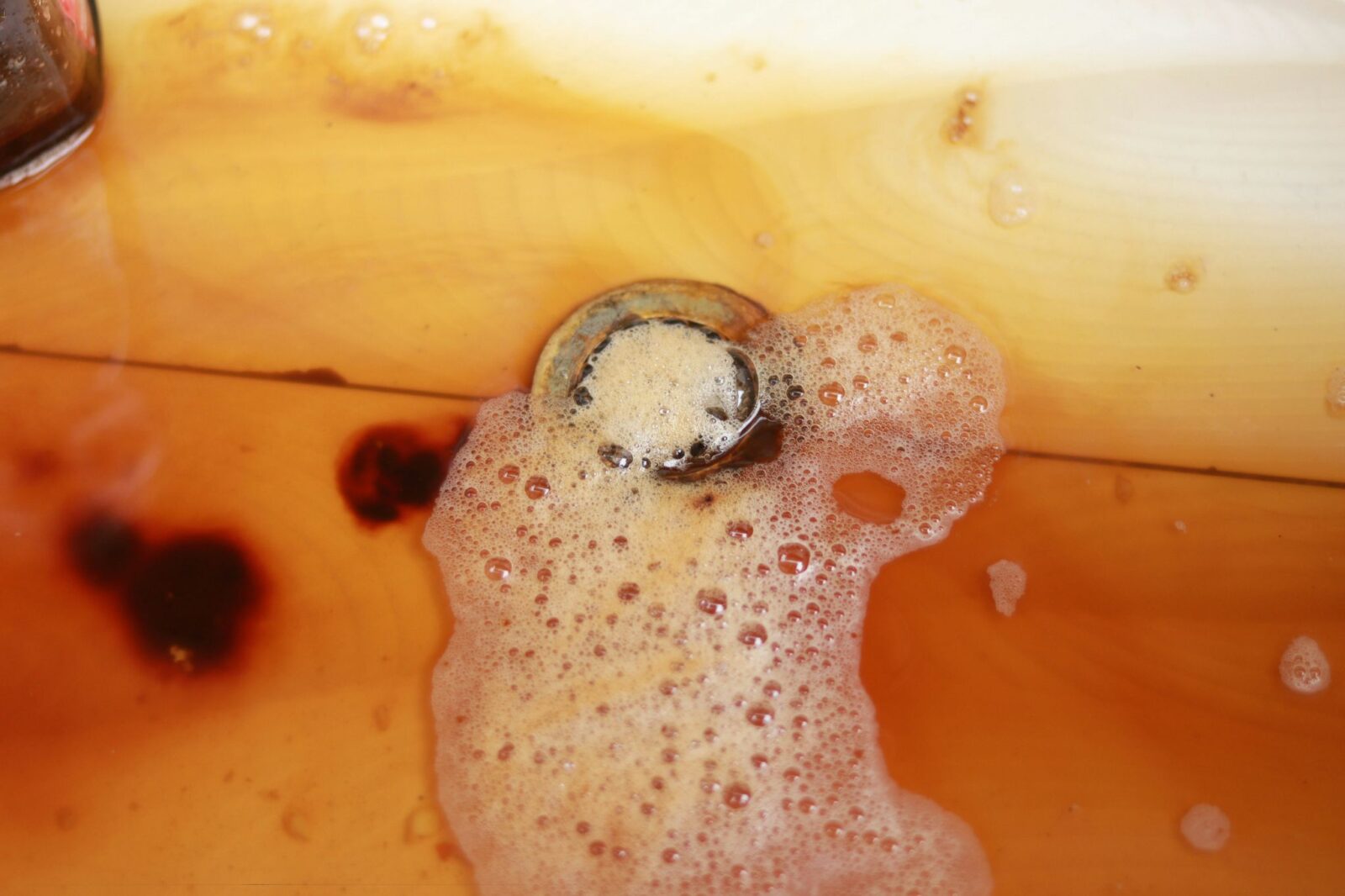
A drain doesn’t clog overnight, even though it can feel that way. Grease, hair, soap scum, food waste, mineral buildup, and stray objects slowly coat the inside of a pipe until there’s no room left for water to pass through. Sometimes the real problem is further down the line: a cracked or collapsed sewer pipe that blocks flow completely, no matter how clean the drain itself is.
The warning signs usually show up before the clog does. Water draining slower than usual, gurgling noises, a bad smell coming up from the sink. Catch those early and you can usually avoid a bigger, more expensive repair down the road.
Why do household drains suddenly stop flowing?
Household drains usually stop flowing because debris has gradually accumulated inside the pipe, preventing water from passing through efficiently. Knowing what causes a clogged drain allows homeowners to identify the source of the problem and choose the right solution before the blockage becomes more severe.
Many people assume a drain becomes blocked overnight, but most clogs develop over weeks or months. Small amounts of grease, soap residue, food particles, hair, mineral deposits, or foreign objects slowly reduce the pipe’s diameter. Eventually, even normal water usage becomes enough to stop drainage completely. Older plumbing systems may also experience corrosion or pipe deterioration that makes buildup occur more quickly
But what causes clogged drain in most homes?
It comes down to whatever debris a particular drain handles every day. A few of the usual suspects:
- Hair and soap residue in bathroom sinks and showers
- Grease, cooking oil, and food scraps in kitchen drains
- Mineral deposits from hard water
- Wipes, paper towels, and hygiene products that get flushed
- Tree roots working their way into underground sewer lines
- Pipe damage, corrosion, or ground shifting
It’s common for more than one of these to be happening at once, which is why a clog that keeps coming back is usually worth having a professional look at rather than guessing.
Can a slow drain become a complete blockage?
Yes, and it usually does if nothing changes. A slow drain is the pipe telling you something’s already building up inside it.
Here’s the tricky part: ignore it, and more debris just keeps sticking to what’s already there. Every so often water pressure will force some of it through, and it’ll seem like the problem fixed itself. It hasn’t. The blockage is still growing, just out of sight, until one day the water simply stops moving.
Why do kitchen drains clog more often than bathroom drains?
Grease is the main culprit. Cooking oil, food particles, coffee grounds, and starches stick to the inside of the pipe and harden over time, and once that layer forms, it catches everything else that comes down the drain after it.
Bathroom drains mostly deal with hair. Kitchen drains deal with a mix of grease and organic waste, which is a tougher combination. Even garbage disposal has limits. Fibrous vegetables, pasta, rice, eggshells, and cooking fat are all common offenders that don’t break down the way people expect.
Could tree roots or damaged pipes be responsible?
Sometimes, yes, and it’s not something a bottle of drain cleaner will fix. Tree roots go looking for moisture, and even a hairline crack in a pipe is enough of an invitation. Once a root gets in, it keeps growing and eventually chokes off the flow. Older sewer lines can also shift, crack, or collapse with age, creating spots where debris collects more easily.
At Graybill Service Group, we use sewer inspection equipment to see exactly what’s happening underground before recommending any repair. We also work with trenchless sewer repair, which fixes damaged lines without tearing up the yard in the process.
Can chemical drain cleaners permanently fix a clog?
Not usually. They might eat through some of the organic buildup, but they don’t address whatever is actually causing the blockage. And used repeatedly, they can damage certain types of pipe.
Most of the time, a chemical cleaner just punches a temporary hole through the clog rather than clearing it out. If the underlying cause is grease, a cracked pipe, or tree roots, the clog will be back. Learning what causes a clogged drain helps homeowners understand why professional cleaning and inspections often provide a longer-lasting solution than repeated chemical treatments.
How can homeowners reduce the risk of clogged drains?
Most of this comes down to habit, not equipment:
- Don’t pour grease or cooking oil down the kitchen sink.
- Use drain strainers to catch hair and food particles before they go down.
- Run hot water through drains periodically.
- Get a professional inspection if a drain keeps running slow.
- Never flush wipes, paper towels, or hygiene products, even ones labeled “flushable.”
- Deal with small plumbing issues before they turn into bigger ones.
None of this takes much effort, but it adds years to a plumbing system’s life.
When should you call a professional plumber?
If more than one drain is backing up, if the smell won’t go away, if water is draining noticeably slowly, or if the clog keeps returning after you’ve already cleaned it, that’s usually a sign of something bigger than a single dirty pipe.
A professional plumber can run a camera down the line and see exactly where the blockage is instead of guessing. At Graybill Service Group, we handle plumbing alongside water treatment, well pumps, HVAC, and hydronic heating, so homeowners have one team to call instead of several. Our focus is on finding what’s actually wrong, not just clearing the immediate clog and hoping it doesn’t come back.
Frequently Asked Questions
Does every slow drain eventually become clogged?
Not always, but it’s usually a sign that buildup has already started. Dealing with it early, whether through cleaning or an inspection, is a lot cheaper than waiting for a full blockage.
Can hard water contribute to drain blockages?
Yes. Hard water leaves mineral deposits inside pipes, which narrows the space available for water and gives grease and soap more to stick to.
Is professional drain cleaning better than store-bought products?
Generally, yes. It clears buildup more thoroughly, skips the harsh chemicals, and often turns up other issues in the pipe that a bottle of drain cleaner would never reveal.
Can well system problems affect household drains?
Not directly. Wells and drains are separate systems. But a change in water pressure from well issues can make an existing drainage problem more noticeable.
Conclusion
Most drain problems build slowly. Grease, hair, soap residue, mineral deposits, damaged pipes, tree roots, it’s rarely just one thing. Understanding causes of a clogged drain allows homeowners to recognize early warning signs, prevent unnecessary plumbing emergencies, and protect their home’s plumbing system. When a clog keeps coming back or a sewer line is the suspect, it’s worth bringing in someone who can actually see what’s going on underground and fix the real cause.
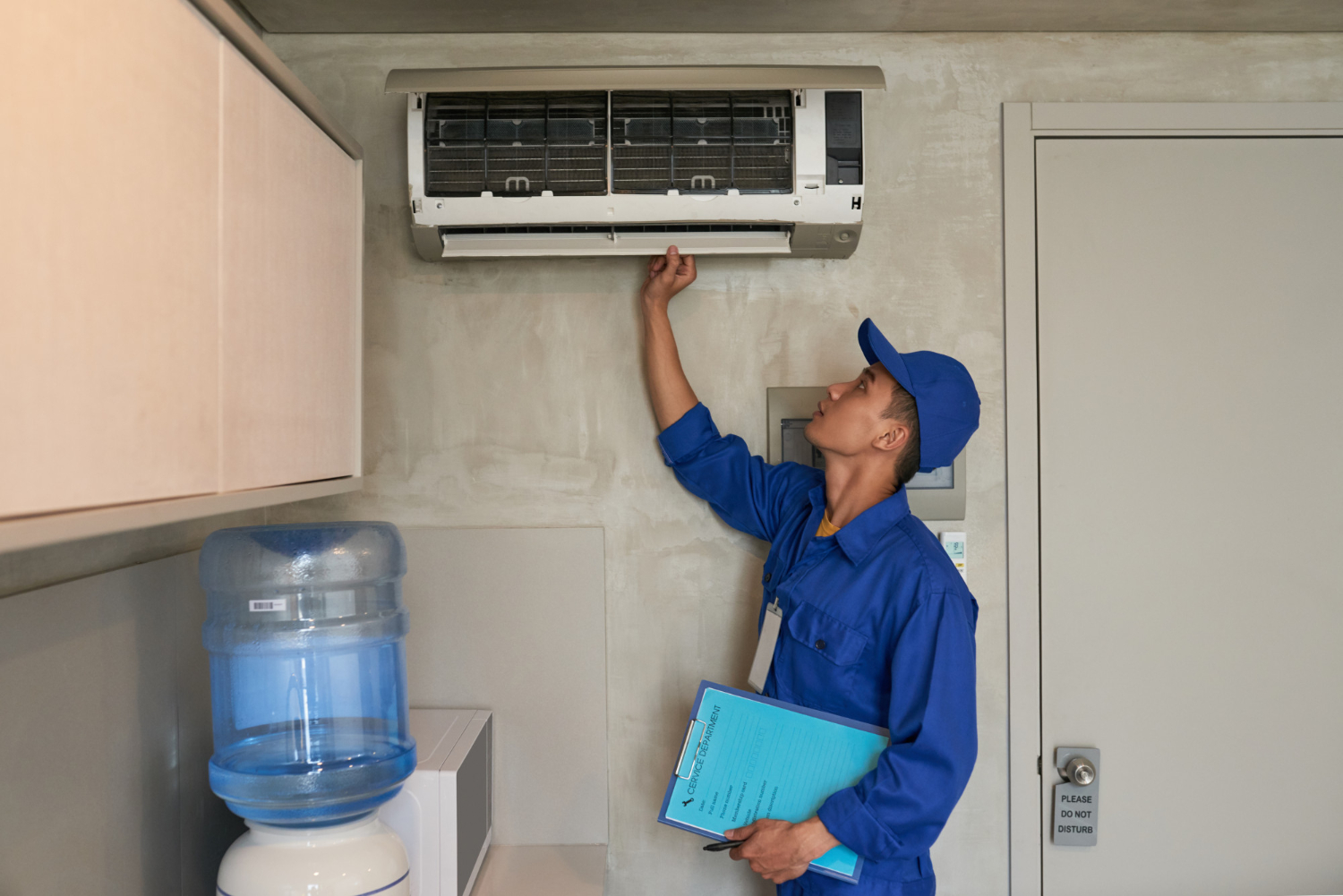
It may be time to replace your air conditioner if it is over 10 to 15 years old, requires frequent repairs, struggles to cool your home evenly, or causes rising energy bills. Replacing an aging system can improve comfort, reduce operating costs, and provide more reliable performance throughout the cooling season.
Although regular maintenance can extend an air conditioner’s lifespan, every system eventually loses efficiency as components wear out. If repair costs continue increasing or your unit no longer keeps your home comfortable, replacing it is often the more cost-effective solution. A professional inspection can determine whether continued repairs or a new installation offers better long-term value.
How Long Can a Residential Air Conditioner Continue Operating?
Most central AC systems run for 10 to 15 years with decent maintenance, and some last well beyond that. The answer depends on a handful of things: how well it was installed, how often it’s been serviced, the local climate, how hard it’s used, and the shape its major parts are in.
A system that was installed correctly and gets checked every year tends to hold up better over time. Even so, every unit eventually loses some efficiency as its parts age. If yours is getting close to that 10-to-15-year window, or already past it, it’s worth figuring out whether more repairs are actually worth the money.
What Are the Most Common Signs That an Air Conditioner Should Be Replaced?
An AC unit rarely just quits without warning. It usually drops hints first, and ignoring them tends to mean higher repair bills and a breakdown at the worst possible time.
- Repairs that keep happening throughout the cooling season
- Energy bills climbing even though usage hasn’t changed
- Some rooms cooler than others
- Weak airflow out of the vents
- Odd noises or vibration that won’t go away
- Refrigerant leaks
- Indoor humidity that feels off
- Trouble holding the thermostat setting
If you’re seeing several of these at once, replacing the system is often the better call over pouring more money into repairs.
Does an Older Air Conditioner Always Need to Be Replaced?
Not necessarily. Age is one factor, but it’s not the whole story. How well the unit has held up, how efficient it still is, and its repair history all matter just as much.
Some older systems keep running fine because they’ve been maintained well over the years. Others start having compressor trouble, refrigerant issues, or a steady drop in performance long before they hit that expected lifespan. It’s more useful to ask whether the system you have is still keeping you comfortable without costing you a fortune to run.
Why Do Energy Bills Often Increase as an Air Conditioner Ages?
An aging AC unit simply uses more electricity to do the same job. Dirty coils, worn-out motors, a tired compressor, and refrigerant that’s not performing like it should all make the system work harder than it needs to.
As that efficiency drops, cooling cycles stretch out and comfort drops with it. Some homeowners notice the unit running almost nonstop in warm weather and still not really cooling the house. If your bills keep going up even after routine maintenance, switching to a newer, high-efficiency model can bring those costs back down significantly.
Is Repair or Replacement the Better Financial Decision?
Once repairs start becoming frequent or pricey, and especially if the unit is getting up there in age, replacement usually wins out. A new system tends to use less energy and needs fewer repairs going forward.
It helps to think past today’s repair bill and look at the bigger picture over several years. Repeated service calls, climbing utility costs, and a system that’s getting less reliable by the season can add up to more than a new install would cost.
Can Regular Maintenance Extend the Life of an Air Conditioner?
Yes, and it’s one of the better investments a homeowner can make. Annual maintenance is what catches a worn part before it actually fails.
A yearly checkup means cleaning coils, swapping filters, checking refrigerant levels, inspecting the electrical connections, and confirming airflow is where it should be. None of that stops the system from aging, but it does delay the big failures and helps you get more out of what you paid for.
What Should Homeowners Look For When Choosing a New Air Conditioning System?
A new system needs to match your home’s size and cooling needs, not just its energy-efficiency rating. Getting the sizing right matters just as much as picking good equipment.
A proper load calculation keeps you from ending up with a unit that’s too big or too small for the house. High-efficiency systems can improve comfort while trimming monthly bills, but none of that matters if the installation is sloppy. That’s why experienced workmanship is such a big part of the decision. At Graybill Service Group, we help homeowners find a system that fits their home, their budget, and their long-term comfort, with installation handled by technicians who know what they’re doing.
Why Does Professional Installation Matter as Much as the Equipment Itself?
Even a top-of-the-line AC unit won’t perform well if it’s put in wrong. Good installation is what makes efficiency, reliability, airflow, and longevity possible from day one.
Refrigerant charged incorrectly, ductwork that doesn’t connect properly, or a unit sized wrong for the home can all shorten its life and drive up your bills. Our technicians pay close attention to getting the installation right so homeowners actually get the full value out of their new system.
Frequently Asked Questions
How do I know if my air conditioner is too old?
Most systems start showing their age somewhere between 10 and 15 years in. If yours needs frequent repairs, struggles to cool the house, or your energy bills keep rising, it’s worth having a professional take a look before the next cooling season starts.
Is replacing an old air conditioner worth the investment?
Yes, generally. A more efficient system tends to lower your utility costs, improve comfort, and cut down on surprise repair bills. Newer units also tend to handle humidity and consistent cooling better than older equipment.
Can regular maintenance prevent air conditioner replacement?
It extends the life of the equipment and keeps it running efficiently, but it can’t stop wear forever. At some point every system reaches the stage where replacing it costs less than continuing to repair it.
How often should my air conditioner be professionally serviced?
Once a year, ideally right before the cooling season kicks off. That’s usually enough to catch small problems before they turn into big ones.
What factors affect how long an air conditioner lasts?
Climate, maintenance history, how well it was installed, how much it’s used, the quality of the equipment itself, and indoor air conditions all play a part in how long an AC unit lasts. Systems that get consistent professional care tend to last longer and run more reliably.
Should I replace my air conditioner before it completely fails?
Yes, if you can. Replacing it ahead of a full failure gives you time to compare options and schedule the install on your terms, rather than scrambling for emergency service in the middle of a heat wave.
Conclusion
Most systems perform well for years, but frequent repairs, dropping efficiency, uneven cooling, and rising bills are usually signs that replacement is the smarter move.
At Graybill Service Group, we offer complete HVAC service with experienced technicians who can help you choose a system built to keep your home comfortable for years to come. Whether you need honest guidance, a professional installation, or ongoing maintenance, our team is here to keep things running smoothly all year.
Most homes need professional drain cleaning every 12 to 24 months, though homes with heavy kitchen use, hard water, older pipes, or septic systems often need it closer to once a year. Skipping that maintenance lets grease, soap scum, hair, food bits, and mineral deposits build up inside your pipes, which slows water flow and raises your odds of clogs, bad smells, and pipe damage.
Small blockages rarely stay small for long. As debris keeps piling up, drains get slower, pressure builds inside the pipes, and minor issues turn into bigger repairs. A professional drain inspection can tell you exactly where your household falls on that range, rather than guessing from a generic rule of thumb.
What happens if drains are not cleaned regularly?
Skip regular maintenance and debris keeps building up until water flow gets restricted. What starts as minor buildup eventually hardens into a real blockage that puts extra strain on your plumbing. Over time, neglected drains can lead to bad smells, standing water, recurring backups, corroded pipes, and even water damage inside your home. In bad cases, an untreated blockage can affect several fixtures at once or turn into a sewer line problem.
What signs indicate your drains need professional cleaning?
A few warning signs mean it’s time to schedule service instead of trying another quick fix:
- Water drains noticeably slower than normal
- Multiple drains begin clogging around the same time
- Gurgling sounds occur after using sinks or tubs
- Persistent odors come from the kitchen or bathroom drains
- Water backs up into nearby fixtures
- Frequent use of drain cleaners no longer solves the problem
These symptoms usually point to buildup inside the pipes, not just a surface-level clog. Professional equipment clears the whole obstruction instead of just poking a hole through it.
Can regular drain cleaning prevent expensive plumbing repairs?
Yes, routine cleaning can head off a lot of common plumbing problems before they turn into major repairs. As debris builds up, water pressure shifts and blockages get worse, which can lead to leaks, damaged joints, deteriorating pipes, and sewer backups. At Graybill Service Group, our technicians use professional equipment to catch problems early, clear stubborn buildup, and recommend a maintenance schedule based on your actual plumbing rather than a one-size-fits-all number.
Why isn’t a clogged drain always solved with store-bought drain cleaners?
Chemical drain cleaners rarely clear the whole blockage, and using them repeatedly can damage certain types of pipes. They might poke a temporary opening through the clog, but a lot of buildup stays stuck to the pipe walls. Professional cleaning physically clears grease, sludge, soap residue, hair, and mineral deposits, and lets a technician spot underlying issues like damaged pipes or tree roots that no chemical can fix.
Does every home need the same cleaning schedule?
No. A few factors change how fast debris builds up in your specific plumbing:
- Bigger families generate more wastewater and organic buildup.
- Older homes may have aging pipes with rough interior surfaces that trap debris more easily.
- Heavy kitchen use or pouring grease down the drain regularly.
- Hard water, which is also something a water treatment assessment can help address at the source.
- Mature trees near the sewer line, which can mean root intrusion over time.
What makes professional drain maintenance more effective?
Professional maintenance isn’t just about clearing today’s clog. It’s about improving how the whole drainage system performs long-term. At Graybill Service Group, we pair real plumbing experience with advanced diagnostic equipment to track down the actual source of a drainage problem. Between our full range of plumbing services and trenchless sewer repair, we can solve issues many contractors can’t handle with basic drain clearing alone. When an underground sewer line needs work, trenchless repair can often get the job done without tearing up your landscaping.
Frequently Asked Questions
How do I know if my main sewer line needs cleaning?
Clogs that keep coming back across several fixtures, sewage smells, slow drains throughout the house, and backups in your lowest plumbing fixtures usually point to a sewer line issue rather than just one clogged drain. A professional inspection can pin down the cause before it turns into something worse.
Can regular maintenance extend the life of my plumbing system?
Yes. Routine maintenance reduces corrosion, eases pressure caused by blockages, and keeps wastewater flowing as it should, which can help pipes and fixtures last longer.
Is hydro jetting necessary for every drain cleaning appointment?
No. Hydro jetting works well on heavy grease, sludge, and stubborn buildup, but it’s not needed every time. A plumber will recommend whatever method fits your pipe material, condition, and the type of blockage involved.
Are slow drains always caused by clogs?
Not always. Buildup is the most common cause, but slow drainage can also come from damaged pipes, an improperly sloped pipe, tree roots, or a restricted sewer line. A professional diagnosis makes sure you’re fixing the right problem.
Can preventive drain cleaning save money?
Yes. Preventive maintenance helps you avoid emergency calls, water damage, major pipe repairs, and recurring blockages. A regular schedule is generally less expensive than fixing damage from a neglected system.
Conclusion
Routine drain maintenance is one of the more avoidable causes of plumbing emergencies. Rather than waiting for slow drains, bad smells, or a full blockage, set a schedule that matches your home’s age, plumbing condition, and household use, generally every 12 to 24 months, adjusted from there. Request a service visit and our technicians can recommend the right interval for your home instead of a generic number.
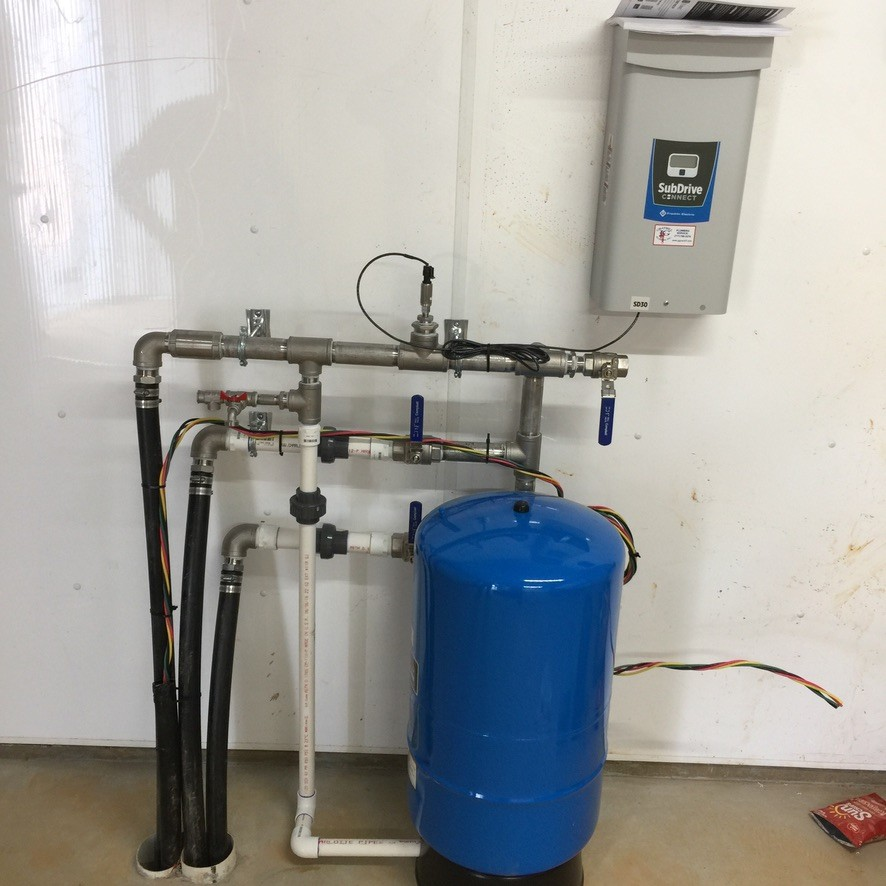
In most cases, yes. Low water pressure is often caused by something a lot smaller than the whole well system failing: a bad pressure switch, a clogged filter, a pressure tank that’s lost its charge, or a pump component that’s simply worn out. A proper inspection will usually tell you exactly which one it is, and often the fix is a lot less involved than a full replacement.
Well systems tend to lose pressure one part at a time. The pump itself might be perfectly fine while something else in the chain has quietly failed. Testing the pump, the tank, the electrical controls, and the plumbing is really the only way to know for sure, and once you do, repairing the actual problem is usually faster, cheaper, and gets more life out of the equipment you already have.
Can low water pressure be restored without replacing the entire well system?
Yes, more often than people expect. The pressure switch, the tank, a filter, a loose plumbing connection, the pump controls, any of these can be the real culprit, and none of them require tearing out the whole system.
Think of a well system as a chain of parts working together. When one link fails, it can look like the whole thing is dying even though the pump itself still has years left in it. Before jumping to how to fix a well pump, it’s worth having someone check whether the issue is in the well, the plumbing, or the pressure equipment. That’s the approach we take at Graybill Service Group, because replacing equipment that still works just isn’t necessary.
What causes water pressure to suddenly decrease in a home with a well?
Sometimes it happens overnight. Other times it creeps up over weeks. Either way, it usually traces back to something mechanical, electrical, or a blockage somewhere in the system.
A few of the usual causes:
- A failing pressure switch
- A waterlogged pressure tank
- Clogged sediment or cartridge filters
- Leaks underground or inside the house
- Mineral buildup inside the pipes
- Electrical issues affecting the pump
- A worn pump impeller
- Groundwater levels shifting with the seasons
Figuring out how to fix starts with narrowing down which of these is actually happening. Swap parts without testing first, and you can easily spend money without ever touching the real problem.
How can you tell if the well pump is actually the problem?
It’s tempting to blame the pump, but it’s often innocent. Pressure fluctuations, short cycling, strange noises, uneven flow, these can all come from somewhere else entirely.
A real inspection means pressure testing, checking the electrical side, evaluating the tank, and measuring flow. That’s how you find out whether the pump is doing its job or whether something else is dragging performance down. Nine times out of ten, the accurate diagnosis leads to a cheaper fix than expected.
Which well system components are most commonly repaired instead of replaced?
The pump usually outlasts everything around it. Most of the parts that fail first are smaller, cheaper, and easier to fix.
Pressure switches wear out and stop triggering the pump the way they should. Pressure tanks lose their air charge, which causes the pump to cycle too often and the water flow to feel inconsistent. A filter clogged with sediment can choke off flow even though the pump behind it is running fine. Electrical connections, control boxes, and check valves wear out too, and none of them mean the system is done.
When does replacing the entire well system become necessary?
Sometimes it really is time. If the pump has reached the end of its life, suffered real internal damage, or keeps failing no matter how many times it’s repaired, replacement is the more practical option at that point.
But that decision should come after a real evaluation, not a guess. A lot of homeowners assume the whole system is shot when the actual problem is one inexpensive part. Our technicians look at the pump, the pressure equipment, the plumbing, and the controls before ever recommending replacement, so customers are deciding based on the actual condition of their system rather than assumptions.
Why is professional diagnosis important before attempting repairs?
Because guessing gets expensive. Replacing parts that were never broken doesn’t fix anything, it just adds cost.
Testing equipment today can measure pressure, electrical performance, water flow, and pump operation with real precision. For anyone researching how to fix, that kind of testing means the repair actually targets the real issue instead of just treating a symptom and hoping it holds. We also check for problems that aren’t causing trouble yet but could shorten the life of a repair down the road.
We handle plumbing, HVAC, water treatment, and drain work too, so homeowners dealing with more than one system at a time have one company to call instead of several.
Can regular maintenance help prevent future water pressure problems?
Yes, and it’s usually the cheaper path. An annual inspection tends to catch worn parts, pressure irregularities, sediment, or electrical wear before any of it turns into a real problem.
Routine service also stretches the life of the pump, the tank, and everything connected to them. Anyone who’s dealt with it once, knows it’s a lot less painful to catch an issue early than to deal with an emergency failure later. At Graybill Service Group, scheduled maintenance is really about fewer surprises and more reliable water pressure over the long run.
Frequently Asked Questions
How long does a residential well pump usually last?
Somewhere between 10 and 15 years is typical, though plenty run longer with good maintenance and stable water conditions. Pump type, how much it’s used, water quality, and regular inspections all play into how long it actually lasts.
Can a clogged water filter reduce water pressure?
Yes, and it’s one of the most common false alarms. A clogged filter restricts flow before water even reaches the fixtures, which can make it seem like the pump has failed.
Is it safe to keep using water if pressure suddenly drops?
It’s better to get it looked at soon. If the underlying issue is with pressure controls, electrical components, or the water supply itself, continuing to run the system can put extra strain on the pump. Catching it early tends to prevent bigger damage.
Can pressure tanks cause water pressure problems?
Yes. A tank with the wrong air pressure or internal damage can cause short cycling and inconsistent water flow throughout the house. Testing the tank is a standard part of diagnosing any pressure issue.
Should I repair or replace an aging well pump?
It depends on the pump’s condition, its repair history, and how much life it likely has left. A minor failure is usually worth repairing. Repeated breakdowns or serious internal wear are a different story, and a professional evaluation will tell you which situation you’re in.
Does every low-pressure problem require a new well pump?
No, not even close. Clogged filters, bad pressure switches, leaking plumbing, and tank issues cause far more low-pressure complaints than actual pump failure does. Proper testing sorts out which one you’re dealing with before you spend money on the wrong fix.
Conclusion
Low water pressure doesn’t automatically mean the whole well system is done. More often than not, careful testing turns up one repairable part rather than a system-wide failure.
Between thorough inspections and experience across well systems, plumbing, water treatment, and related home services, we help homeowners get their water pressure back while making a decision about their equipment that’s based on facts, not guesswork.
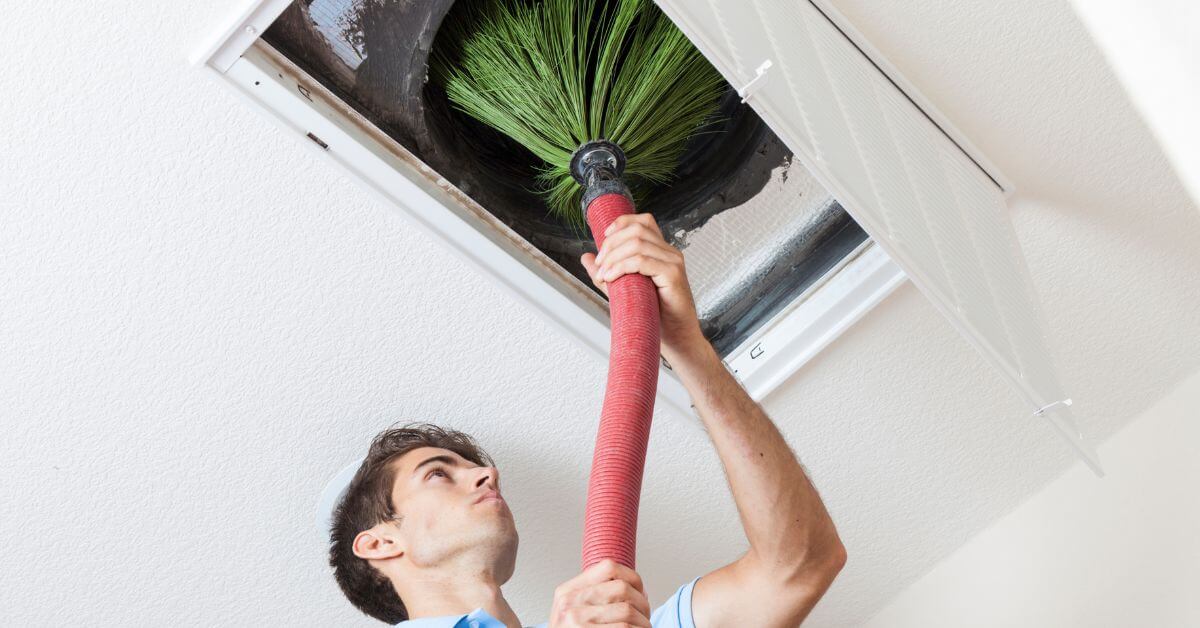
When was the last time you thought about cleaning the air ducts in your home? For most homeowners, ductwork is out of sight and out of mind. But over time, dust, allergens, and debris can build up inside your system, quietly affecting your indoor air quality, comfort, and even energy bills. At Graybill Service Group, we help Pennsylvania homeowners breathe easier with professional duct cleaning services designed to keep your home healthier and more efficient.