Tag: Well Pump Replacement
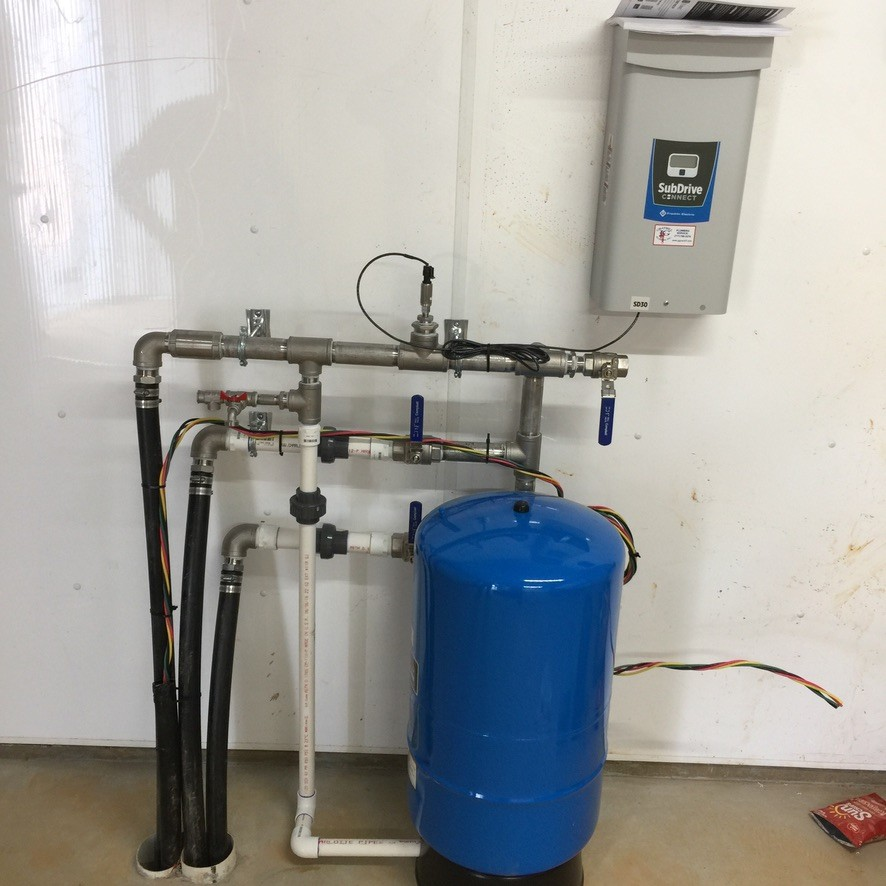
In most cases, yes. Low water pressure is often caused by something a lot smaller than the whole well system failing: a bad pressure switch, a clogged filter, a pressure tank that’s lost its charge, or a pump component that’s simply worn out. A proper inspection will usually tell you exactly which one it is, and often the fix is a lot less involved than a full replacement.
Well systems tend to lose pressure one part at a time. The pump itself might be perfectly fine while something else in the chain has quietly failed. Testing the pump, the tank, the electrical controls, and the plumbing is really the only way to know for sure, and once you do, repairing the actual problem is usually faster, cheaper, and gets more life out of the equipment you already have.
Can low water pressure be restored without replacing the entire well system?
Yes, more often than people expect. The pressure switch, the tank, a filter, a loose plumbing connection, the pump controls, any of these can be the real culprit, and none of them require tearing out the whole system.
Think of a well system as a chain of parts working together. When one link fails, it can look like the whole thing is dying even though the pump itself still has years left in it. Before jumping to how to fix a well pump, it’s worth having someone check whether the issue is in the well, the plumbing, or the pressure equipment. That’s the approach we take at Graybill Service Group, because replacing equipment that still works just isn’t necessary.
What causes water pressure to suddenly decrease in a home with a well?
Sometimes it happens overnight. Other times it creeps up over weeks. Either way, it usually traces back to something mechanical, electrical, or a blockage somewhere in the system.
A few of the usual causes:
- A failing pressure switch
- A waterlogged pressure tank
- Clogged sediment or cartridge filters
- Leaks underground or inside the house
- Mineral buildup inside the pipes
- Electrical issues affecting the pump
- A worn pump impeller
- Groundwater levels shifting with the seasons
Figuring out how to fix starts with narrowing down which of these is actually happening. Swap parts without testing first, and you can easily spend money without ever touching the real problem.
How can you tell if the well pump is actually the problem?
It’s tempting to blame the pump, but it’s often innocent. Pressure fluctuations, short cycling, strange noises, uneven flow, these can all come from somewhere else entirely.
A real inspection means pressure testing, checking the electrical side, evaluating the tank, and measuring flow. That’s how you find out whether the pump is doing its job or whether something else is dragging performance down. Nine times out of ten, the accurate diagnosis leads to a cheaper fix than expected.
Which well system components are most commonly repaired instead of replaced?
The pump usually outlasts everything around it. Most of the parts that fail first are smaller, cheaper, and easier to fix.
Pressure switches wear out and stop triggering the pump the way they should. Pressure tanks lose their air charge, which causes the pump to cycle too often and the water flow to feel inconsistent. A filter clogged with sediment can choke off flow even though the pump behind it is running fine. Electrical connections, control boxes, and check valves wear out too, and none of them mean the system is done.
When does replacing the entire well system become necessary?
Sometimes it really is time. If the pump has reached the end of its life, suffered real internal damage, or keeps failing no matter how many times it’s repaired, replacement is the more practical option at that point.
But that decision should come after a real evaluation, not a guess. A lot of homeowners assume the whole system is shot when the actual problem is one inexpensive part. Our technicians look at the pump, the pressure equipment, the plumbing, and the controls before ever recommending replacement, so customers are deciding based on the actual condition of their system rather than assumptions.
Why is professional diagnosis important before attempting repairs?
Because guessing gets expensive. Replacing parts that were never broken doesn’t fix anything, it just adds cost.
Testing equipment today can measure pressure, electrical performance, water flow, and pump operation with real precision. For anyone researching how to fix, that kind of testing means the repair actually targets the real issue instead of just treating a symptom and hoping it holds. We also check for problems that aren’t causing trouble yet but could shorten the life of a repair down the road.
We handle plumbing, HVAC, water treatment, and drain work too, so homeowners dealing with more than one system at a time have one company to call instead of several.
Can regular maintenance help prevent future water pressure problems?
Yes, and it’s usually the cheaper path. An annual inspection tends to catch worn parts, pressure irregularities, sediment, or electrical wear before any of it turns into a real problem.
Routine service also stretches the life of the pump, the tank, and everything connected to them. Anyone who’s dealt with it once, knows it’s a lot less painful to catch an issue early than to deal with an emergency failure later. At Graybill Service Group, scheduled maintenance is really about fewer surprises and more reliable water pressure over the long run.
Frequently Asked Questions
How long does a residential well pump usually last?
Somewhere between 10 and 15 years is typical, though plenty run longer with good maintenance and stable water conditions. Pump type, how much it’s used, water quality, and regular inspections all play into how long it actually lasts.
Can a clogged water filter reduce water pressure?
Yes, and it’s one of the most common false alarms. A clogged filter restricts flow before water even reaches the fixtures, which can make it seem like the pump has failed.
Is it safe to keep using water if pressure suddenly drops?
It’s better to get it looked at soon. If the underlying issue is with pressure controls, electrical components, or the water supply itself, continuing to run the system can put extra strain on the pump. Catching it early tends to prevent bigger damage.
Can pressure tanks cause water pressure problems?
Yes. A tank with the wrong air pressure or internal damage can cause short cycling and inconsistent water flow throughout the house. Testing the tank is a standard part of diagnosing any pressure issue.
Should I repair or replace an aging well pump?
It depends on the pump’s condition, its repair history, and how much life it likely has left. A minor failure is usually worth repairing. Repeated breakdowns or serious internal wear are a different story, and a professional evaluation will tell you which situation you’re in.
Does every low-pressure problem require a new well pump?
No, not even close. Clogged filters, bad pressure switches, leaking plumbing, and tank issues cause far more low-pressure complaints than actual pump failure does. Proper testing sorts out which one you’re dealing with before you spend money on the wrong fix.
Conclusion
Low water pressure doesn’t automatically mean the whole well system is done. More often than not, careful testing turns up one repairable part rather than a system-wide failure.
Between thorough inspections and experience across well systems, plumbing, water treatment, and related home services, we help homeowners get their water pressure back while making a decision about their equipment that’s based on facts, not guesswork.
- 1
- 1-1 of 1 results