Tag: Average AC Unit Lifespan
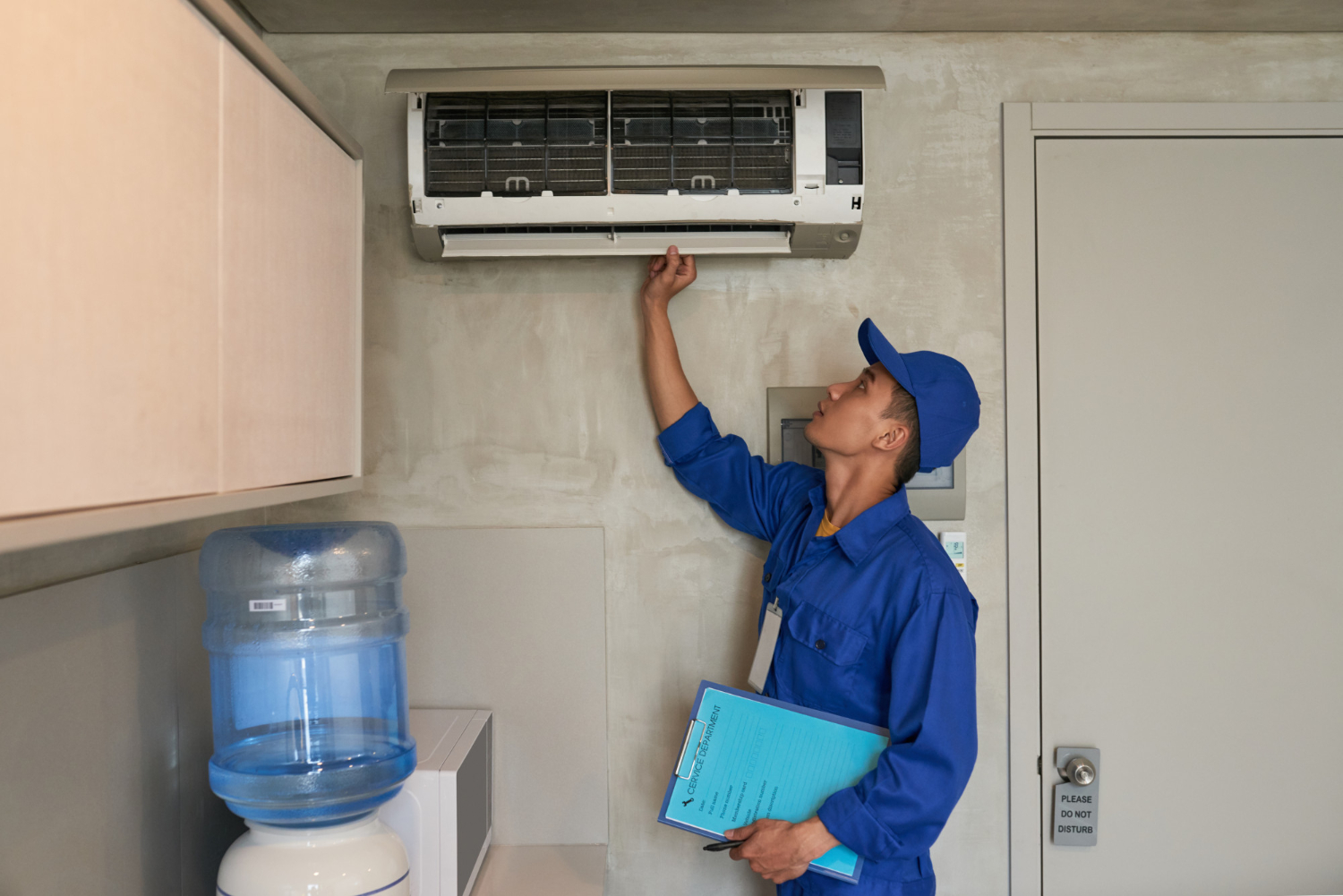
It may be time to replace your air conditioner if it is over 10 to 15 years old, requires frequent repairs, struggles to cool your home evenly, or causes rising energy bills. Replacing an aging system can improve comfort, reduce operating costs, and provide more reliable performance throughout the cooling season.
Although regular maintenance can extend an air conditioner’s lifespan, every system eventually loses efficiency as components wear out. If repair costs continue increasing or your unit no longer keeps your home comfortable, replacing it is often the more cost-effective solution. A professional inspection can determine whether continued repairs or a new installation offers better long-term value.
How Long Can a Residential Air Conditioner Continue Operating?
Most central AC systems run for 10 to 15 years with decent maintenance, and some last well beyond that. The answer depends on a handful of things: how well it was installed, how often it’s been serviced, the local climate, how hard it’s used, and the shape its major parts are in.
A system that was installed correctly and gets checked every year tends to hold up better over time. Even so, every unit eventually loses some efficiency as its parts age. If yours is getting close to that 10-to-15-year window, or already past it, it’s worth figuring out whether more repairs are actually worth the money.
What Are the Most Common Signs That an Air Conditioner Should Be Replaced?
An AC unit rarely just quits without warning. It usually drops hints first, and ignoring them tends to mean higher repair bills and a breakdown at the worst possible time.
- Repairs that keep happening throughout the cooling season
- Energy bills climbing even though usage hasn’t changed
- Some rooms cooler than others
- Weak airflow out of the vents
- Odd noises or vibration that won’t go away
- Refrigerant leaks
- Indoor humidity that feels off
- Trouble holding the thermostat setting
If you’re seeing several of these at once, replacing the system is often the better call over pouring more money into repairs.
Does an Older Air Conditioner Always Need to Be Replaced?
Not necessarily. Age is one factor, but it’s not the whole story. How well the unit has held up, how efficient it still is, and its repair history all matter just as much.
Some older systems keep running fine because they’ve been maintained well over the years. Others start having compressor trouble, refrigerant issues, or a steady drop in performance long before they hit that expected lifespan. It’s more useful to ask whether the system you have is still keeping you comfortable without costing you a fortune to run.
Why Do Energy Bills Often Increase as an Air Conditioner Ages?
An aging AC unit simply uses more electricity to do the same job. Dirty coils, worn-out motors, a tired compressor, and refrigerant that’s not performing like it should all make the system work harder than it needs to.
As that efficiency drops, cooling cycles stretch out and comfort drops with it. Some homeowners notice the unit running almost nonstop in warm weather and still not really cooling the house. If your bills keep going up even after routine maintenance, switching to a newer, high-efficiency model can bring those costs back down significantly.
Is Repair or Replacement the Better Financial Decision?
Once repairs start becoming frequent or pricey, and especially if the unit is getting up there in age, replacement usually wins out. A new system tends to use less energy and needs fewer repairs going forward.
It helps to think past today’s repair bill and look at the bigger picture over several years. Repeated service calls, climbing utility costs, and a system that’s getting less reliable by the season can add up to more than a new install would cost.
Can Regular Maintenance Extend the Life of an Air Conditioner?
Yes, and it’s one of the better investments a homeowner can make. Annual maintenance is what catches a worn part before it actually fails.
A yearly checkup means cleaning coils, swapping filters, checking refrigerant levels, inspecting the electrical connections, and confirming airflow is where it should be. None of that stops the system from aging, but it does delay the big failures and helps you get more out of what you paid for.
What Should Homeowners Look For When Choosing a New Air Conditioning System?
A new system needs to match your home’s size and cooling needs, not just its energy-efficiency rating. Getting the sizing right matters just as much as picking good equipment.
A proper load calculation keeps you from ending up with a unit that’s too big or too small for the house. High-efficiency systems can improve comfort while trimming monthly bills, but none of that matters if the installation is sloppy. That’s why experienced workmanship is such a big part of the decision. At Graybill Service Group, we help homeowners find a system that fits their home, their budget, and their long-term comfort, with installation handled by technicians who know what they’re doing.
Why Does Professional Installation Matter as Much as the Equipment Itself?
Even a top-of-the-line AC unit won’t perform well if it’s put in wrong. Good installation is what makes efficiency, reliability, airflow, and longevity possible from day one.
Refrigerant charged incorrectly, ductwork that doesn’t connect properly, or a unit sized wrong for the home can all shorten its life and drive up your bills. Our technicians pay close attention to getting the installation right so homeowners actually get the full value out of their new system.
Frequently Asked Questions
How do I know if my air conditioner is too old?
Most systems start showing their age somewhere between 10 and 15 years in. If yours needs frequent repairs, struggles to cool the house, or your energy bills keep rising, it’s worth having a professional take a look before the next cooling season starts.
Is replacing an old air conditioner worth the investment?
Yes, generally. A more efficient system tends to lower your utility costs, improve comfort, and cut down on surprise repair bills. Newer units also tend to handle humidity and consistent cooling better than older equipment.
Can regular maintenance prevent air conditioner replacement?
It extends the life of the equipment and keeps it running efficiently, but it can’t stop wear forever. At some point every system reaches the stage where replacing it costs less than continuing to repair it.
How often should my air conditioner be professionally serviced?
Once a year, ideally right before the cooling season kicks off. That’s usually enough to catch small problems before they turn into big ones.
What factors affect how long an air conditioner lasts?
Climate, maintenance history, how well it was installed, how much it’s used, the quality of the equipment itself, and indoor air conditions all play a part in how long an AC unit lasts. Systems that get consistent professional care tend to last longer and run more reliably.
Should I replace my air conditioner before it completely fails?
Yes, if you can. Replacing it ahead of a full failure gives you time to compare options and schedule the install on your terms, rather than scrambling for emergency service in the middle of a heat wave.
Conclusion
Most systems perform well for years, but frequent repairs, dropping efficiency, uneven cooling, and rising bills are usually signs that replacement is the smarter move.
At Graybill Service Group, we offer complete HVAC service with experienced technicians who can help you choose a system built to keep your home comfortable for years to come. Whether you need honest guidance, a professional installation, or ongoing maintenance, our team is here to keep things running smoothly all year.
- 1
- 1-1 of 1 results