Category: Plumbing Services
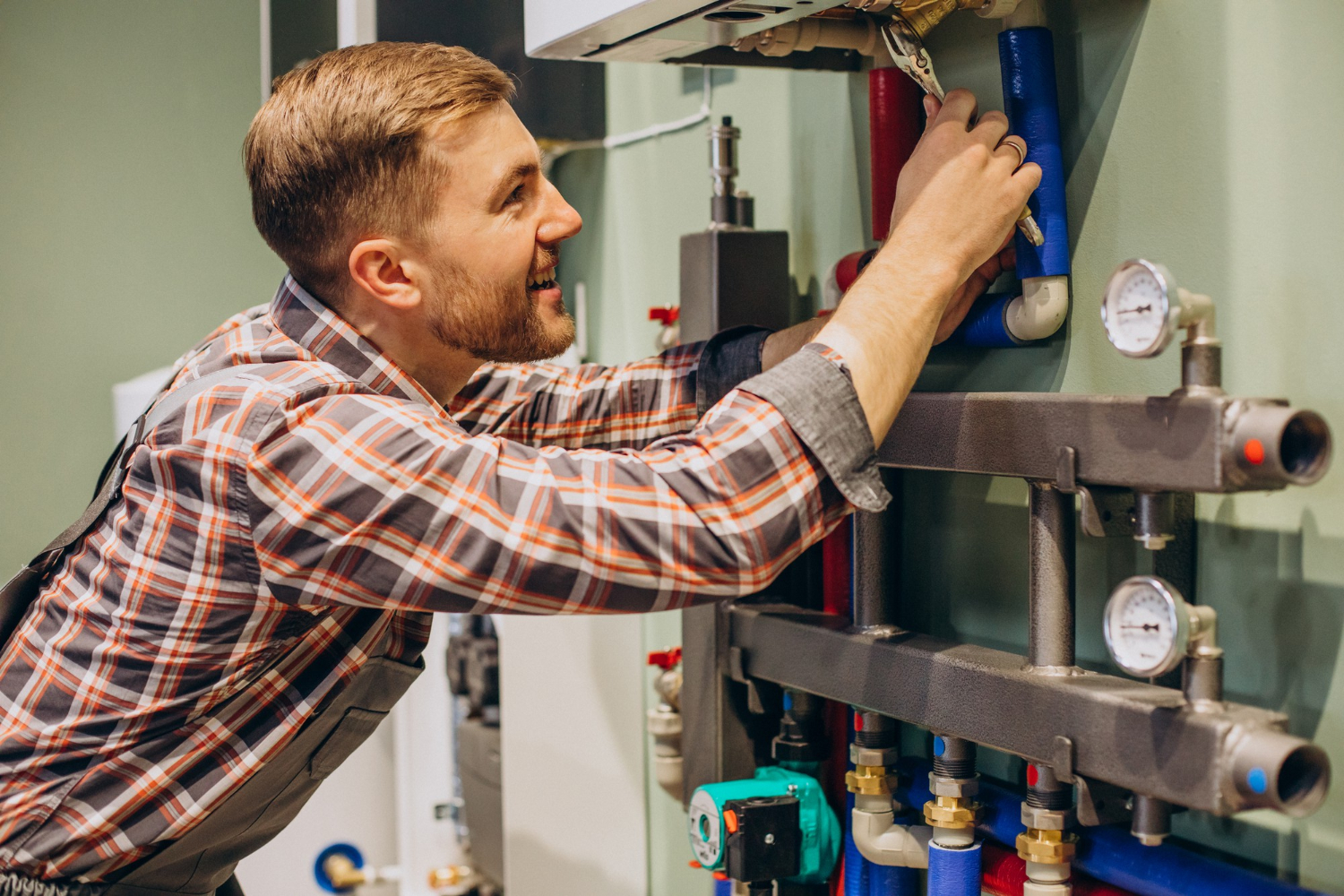
Boiler maintenance and repair costs in Pennsylvania depend on a handful of variables: the type of boiler, its age, the condition of the system, the work involved, and whether parts need replacing. Routine maintenance tends to be the more predictable, less expensive path, mostly because a technician can catch small issues before they turn into major ones.
Labour rates, how accessible the system is, and how complex the repair turns out to be all shift the final number too. So how much does boiler service cost? There’s no single figure that applies across every home and every system.
A basic service visit usually covers inspection, cleaning, testing, and minor adjustments. Repairs cost more once faulty components need replacing. Getting a clear estimate after an inspection is really the only way to know what you’re actually paying for.
How much does boiler service cost in Pennsylvania?
In Pennsylvania, homeowners can generally expect to pay about $150 to $300 for routine boiler maintenance, although more extensive cleaning or service can push the cost closer to $400.
If the boiler needs repair, costs commonly fall between $150 to $750, while repairs involving major components such as a circulator pump, expansion tank, gas valve, or coil can reach $1000 or more. For the most accurate estimate for your specific system, contact Graybill Service Group at https://jggraybill.com/contact-us/ to have your boiler evaluated and get pricing based on the work it actually needs.
What factors affect boiler service cost?
Mostly the type of service, the boiler’s condition, and whatever parts or labour the job needs. A straightforward inspection and cleaning takes a lot less work than fixing a faulty circulator pump, a pressure problem, an ignition issue, or a damaged component.
Where the boiler sits in the house matters too, tight access adds labour time. Older systems often need more troubleshooting, since worn or outdated parts tend to make repairs more involved. A technician really does need to inspect the system in person before giving an accurate figure; that’s the only reliable way to determine the cost of boiler service and repair with any confidence.
How much does boiler maintenance usually cost?
Routine maintenance is generally more predictable than repair work, since a technician is running through scheduled preventive tasks rather than reacting to a failure that’s already happened. That usually means inspecting components, cleaning parts, checking controls, examining connections and testing overall operation.
Regular service also tends to catch developing problems early. The price depends on the service package and the boiler type, so it’s worth asking for a clear breakdown of exactly what an appointment covers before booking it.
Is boiler maintenance worth paying for?
Generally, yes. It keeps the system running safely and efficiently, and it reduces the risk of an unexpected failure. A technician might spot worn components, a small leak, or a pressure issue well before it turns into something disruptive.
Skipping service can save money short-term, but a neglected boiler tends to develop bigger problems over time, the kind that need more extensive repairs. When considering the cost of boiler service it’s also worth thinking about the potential expense of an avoidable breakdown if regular servicing is skipped.
Does an older boiler cost more to maintain?
Often, yes. Components wear out, and replacement parts can get harder to track down as a system ages. Older boilers also tend to need more frequent attention as individual parts near the end of their service life.
That doesn’t automatically mean an old boiler needs replacing, though. A technician can look at its condition, repair history, efficiency, and reliability before recommending whether continued maintenance still makes sense financially.
When should you schedule professional boiler service?
Ideally, before the heating season starts. It’s also worth booking an inspection any time your boiler starts behaving differently than usual.
| When to schedule | Why it matters |
| Before heating season | Gets the boiler ready for colder weather |
| Uneven heating | Can point to a developing problem |
| Unusual noises | May mean a component is wearing out |
| Pressure changes | Often signals a system issue |
| Water leaks | Can lead to further damage if ignored |
| Frequent cycling | May indicate a control problem |
| Poor temperature control | Could mean the boiler needs attention |
Catching these early tends to keep small problems small. If your boiler is showing any of these signs, getting it checked, helps keep the house comfortable and the system reliable.
What should a professional boiler service include?
An inspection of the whole system, cleaning or adjustments where needed, checks on safety controls and testing to confirm everything’s operating properly. The exact list of tasks shifts depending on the boiler and its condition.
A good technician also explains anything they find during the visit and flags repairs that might be needed soon. It’s a lot easier to judge how much boiler service costs once you know exactly which inspections and tasks are included in the quoted price.
How can Pennsylvania homeowners keep repair costs under control?
Routine maintenance, responding to warning signs quickly, and following the manufacturer’s recommendations all help avoid unnecessary repair bills. Waiting until a system fails completely tends to leave you with an urgent repair and fewer options.
At Graybill Service Group, our focus is catching problems early and explaining the work before anything begins. Our goal is helping homeowners actually understand their heating system, not just hand them an invoice.
What happens if you skip boiler maintenance?
Small problems tend to develop unnoticed, which can mean reduced efficiency, an unexpected breakdown or a more expensive repair later on. Dirt, worn parts, and pressure problems all get worse the longer they sit.
Routine service gives a professional a chance to catch these issues before they interfere with heating. The cost of boiler servicing is only one part of the decision; the potential cost of neglecting the system matters just as much.
Frequently asked questions
What factors affect the cost of a boiler service?
Generally less than a major repair. The final price depends on the boiler type, the service required, labour, and any parts needed. Contact us at (717) 892-5760 to have your boiler evaluated.
Does boiler service cost more for gas or oil boilers?
It can. Gas and oil systems have different components and maintenance needs, which affects both service time and price. A technician can give you an accurate number after inspecting the system.
How often should I schedule boiler service?
Once a year is the common recommendation, ideally before the heating season. Regular checks catch leaks, worn parts, and pressure issues early.
Can regular maintenance reduce boiler repair costs?
Yes. It catches smaller problems before they turn into major repairs, and it helps the boiler run more reliably overall.
Should I repair or replace an old boiler?
Repair often makes sense for a minor issue; replacement tends to make more sense if repairs keep piling up or major components are failing. A professional inspection is the best way to tell which situation you’re in.
Why is my boiler losing pressure?
Usually a leak, a valve problem, or an issue with the expansion vessel. If pressure keeps dropping, have a qualified technician track down the actual cause.
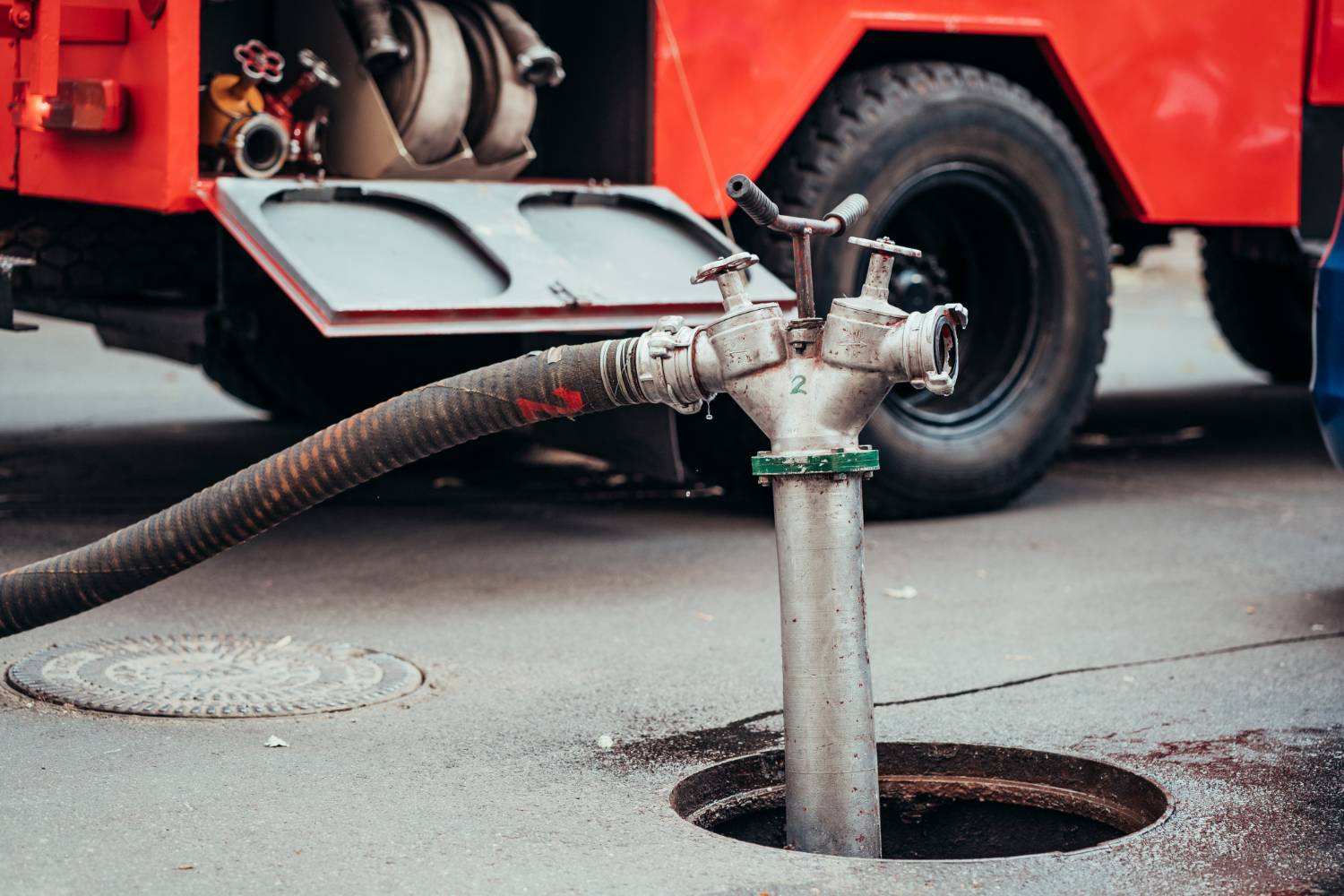
Sewer line problems rarely announce themselves with a dramatic backup. Usually it starts small, a slow drain, a faint smell that shouldn’t be there, a wet patch in the yard, a clog that keeps coming back no matter how many times you clear it. Catching those early signs can save you from sewage damage, costly excavation, and a lot of disruption to daily life. Knowing when a sewer line actually needs professional attention also makes it easier to figure out whether a repair will do the job or whether replacement is the smarter long-term move.
If you’re wondering who offers sewer line repair, a licensed plumbing professional can inspect the line, pinpoint the cause, and recommend a fix based on what the pipe actually looks like underground.
What are the first signs of a sewer line problem?
Multiple slow drains, clogs that keep returning, sewage odors, gurgling sounds, or standing water somewhere on the property. One slow drain by itself might just be one slow drain. Several fixtures acting up at once usually points to something deeper.
Pay attention when the same symptoms keep showing up after a routine drain cleaning. A damaged, blocked, or collapsed sewer line can stop wastewater from leaving the house the way it’s supposed to. Catching it early beats catching it after a major backup.
How do you know if a sewer line needs professional repair?
Usually once an inspection turns up cracks, leaks, partial blockages, damaged joints, or sections that just aren’t draining right anymore. Repeated backups are another strong signal, at that point, it’s worth having the line evaluated instead of treating each clog as its own separate problem.
If you’re trying to figure out who offers sewer line repair in your area, look for a licensed plumbing company with the equipment and experience to actually diagnose underground issues, not just clear a clog and move on. Professional sewer line repair might mean clearing a damaged section, fixing one specific portion, or using trenchless methods where they make sense.
Can tree roots damage a sewer line?
Yes, and the damage tends to get worse the longer it goes unaddressed. A few things to watch for:
- Small cracks, since roots can work their way in through tiny gaps or loose joints
- Restricted flow, as growing roots block wastewater from moving through freely
- Recurring backups, which root intrusion often causes through repeated clogs and slow drains
- Older pipes, which tend to be more vulnerable to root penetration in the first place
Cutting the roots back can offer temporary relief, but the pipe itself may still need repair. A proper inspection is the only way to know whether it needs more than a quick fix.
When is replacement better than repair?
Usually when the pipe has widespread damage, has failed repeatedly, has deteriorated badly, or has a collapsed section that just can’t be patched reliably. Age and material of the existing pipe factor into that call too.
A small, isolated defect might only need a repair. But patching one section of a line that’s falling apart elsewhere often doesn’t solve the recurring problem, it just delays the next one. A qualified professional should be able to explain clearly whether repairing the existing pipe makes sense or whether replacement is the more dependable route.
Can sewer line problems cause yard damage?
Yes. A damaged line can leave unusually wet areas, foul smells, patches of oddly healthy grass or muddy ground in spots that shouldn’t be muddy. Wastewater leaking from an underground pipe changes soil moisture, which shows up in the vegetation nearby.
Not every wet or green patch means a sewer problem, irrigation, rainfall, and drainage can all cause something similar. But unusual yard changes paired with slow drains or sewage odors are worth having checked.
How can you prevent major sewer line damage?
Regular plumbing inspections, careful disposal habits and paying attention to recurring drainage issues before they get worse. Avoid flushing anything that won’t break down easily, and be careful about grease and similar materials going down household drains.
If there are trees near the underground sewer line, root growth is worth thinking about too. At Graybill Service Group, our team can spot warning signs during a professional inspection, and we can walk you through practical next steps based on what your plumbing system actually needs.
When should you call a professional about sewer problems?
When symptoms keep recurring, several drains are affected, sewage is backing up, or you’re noticing odors or wet areas you can’t otherwise explain. Waiting tends to let a fairly contained problem grow into a much bigger one.
At Graybill Service Group, we know sewer problems can disrupt an entire household fast. Our approach is finding the actual cause so we can recommend the right fix, rather than patching things temporarily and hoping it holds.
If you’re still asking who offers sewer line repair you can actually trust, starting with an experienced professional and a real inspection is the sensible first step. We work through diagnosis, a clear recommendation, and dependable service, not guesswork.
Frequently asked questions
How much does sewer line repair cost?
It varies based on location, type of damage, severity, and the length of the affected section. A professional inspection is really the only way to get a meaningful estimate, since underground problems can’t be priced accurately from symptoms alone.
Is sewer line repair better than replacement?
Repair often works for isolated damage. Replacement tends to make more sense when the line has extensive deterioration or keeps failing. A professional inspection is what tells you which situation you’re actually in.
Can a sewer line be repaired without digging?
Yes, in many cases. Trenchless repair or replacement techniques require less excavation than traditional methods, though whether they work depends on the pipe’s condition, location, and the type of damage.
How long does sewer line repair take?
Depends on the location and extent of the damage, plus the repair method used. A straightforward repair can take a lot less time than replacing a long or severely damaged section.
- 1
- 1-2 of 2 results